
Zoroastrianism - Types of Sin and Expiation of Sin
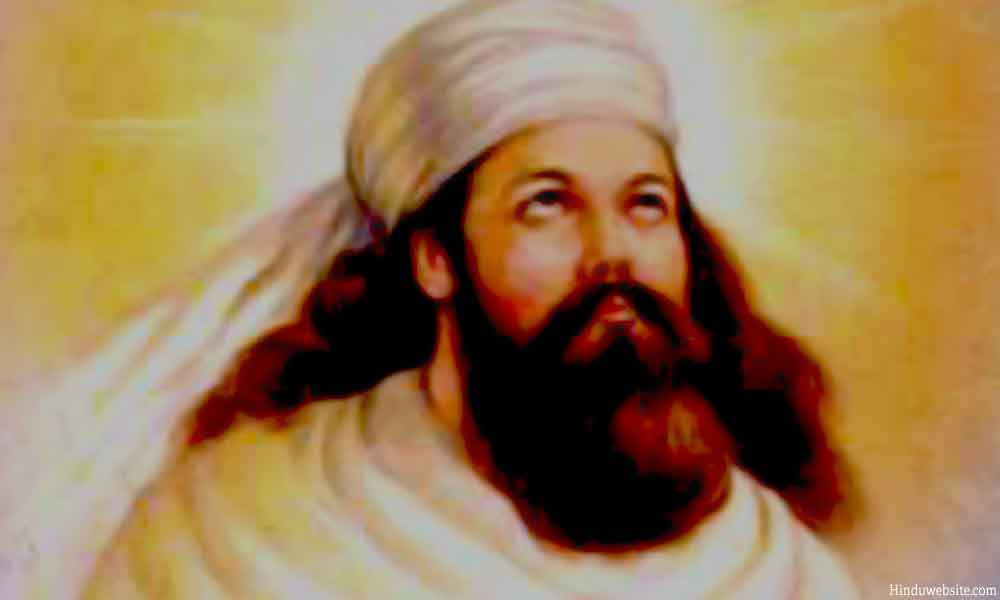
According to the Dadestan, a righteous man accepts the occupation provided to him and remains fully watchful in the world so as to avoid being deceived by the evil. By performing whatever that is desirable for God, the Mazda worshipper gains his greatness. The central idea presented in the Zoroastrian ethics, is to live a life of righteousness that is desirable to God, following His instructions faithfully and practicing the virtues and qualities represented by Him in the six Amesha Spentas.
The emphasis is on practicing righteousness by following the three commandments given by the prophet, namely good thoughts, good words and good actions and remain free from the temptations of evil. According to Zoroastrian beliefs, since the material world is infested with evil, dangers lurk everywhere. People should stay alert and keep themselves pure. By thinking good thoughts, speaking good words and doing good deeds, they enhance the good in the world and strengthen the divine forces. If they do the opposite, they would be helping the evil powers and attracting them into themselves and their lives. As a Zoroastrian scripture declares, when evil enters some one, Vohuman departs from there, leaving them entirely at the mercy of evil. In the Denkard we find a passage which declares that man is made to do the work of purity for his soul, while suffering hardships in this world, by retaining God within himself as his friend. The good qualities present in him are the means to form righteous relations. Man is obedient to God through the means of righteousness.His duty upon earth is to do things that are desirable for Him.
List of Sins in the Menog-i-khard
Zoroastrian texts provide detailed lists of various kinds of sins men should avoid. In the Menog-i-khard (Chp. 36) we find the following list of 30 grievous sins.
1.Of the sin which people commit, unnatural intercourse is the most heinous.
2.The second is he who has suffered or performed intercourse with men.
3.The third, who slays a righteous man.
4.The fourth, who breaks off a next-of-kin marriage.
5.The fifth, who destroys the arrangement of an adopted son (sator).
6.The sixth, who smites the fire of Warharan.
7.The seventh, who kills a water-beaver 8.The eighth, who worships an idol.
9.The ninth, who believes and wishes to worship in every religion.
10.The tenth, who consumes anything which is received into his custody, and becomes an embezzler.
11.The eleventh is he who, through sinfulness, provides support for wickedness.
12.The twelfth, who does no work, but eats unthankfully and unlawfully.
13.The thirteenth, who commits heresy (zandikih).
14.The fourteenth, who commits witchcraft.
15.The fifteenth, who commits apostasy (aharmokih).
16.The sixteenth, who commits demon-worship.
17.The seventeenth, who commits theft, or abetting (avagitih) of thieves.
18.The eighteenth, who commits promise-breaking.
19.The nineteenth, who commits maliciousness.
20.The twentieth, who commits oppression to make the things of others his own.
21.The twenty-first, who distresses a righteous man.
22.The twenty-second, who commits slander.
23.The twenty-third, who commits arrogance.
24.The twenty-fourth, who goes to a professional courtesan.
25.The twenty-fifth, who commits ingratitude.
26.The twenty-sixth, who speaks false and untrue.
27.The twenty-seventh, who causes discontent as to the affairs of those who are departed.
28.The twenty-eighth, whose pleasure is from viciousness and harassing the good.
29.The twenty-ninth, who considers sin as to be urged on, and a good work as a day's delay.
30.And the thirtieth, who becomes grieved by that happiness which is provided by him for anyone.
List of Sins in Denkard
The following excerpts from the Denkard provides a similar list of sins to be avoided by the followers of Ahura Mazda.
- Contempt for the religion, speaking ill of it, disobeying the dictates thereof, and self willedness.
- thinking of matters pertaining to a wicked religion, accepting anything from those professing a wicked religion,
- not fighting with the Devs and the wicked persons,
- becoming related to unbelievers by giving them children in marriage,
- not giving good help to other people in the virtuous pursuit of their callings in the world,
- disloyalty to partners,
- sordidness,
- doing wrongful acts,
- harboring enmity towards the good people who constantly invoke God,
- pleasing the wicked; also, worshipping the Devil,
- doing harm to pious men,
- impairing (their) sanctity,
- ommitting sodomy,
- practicing sorcery,
- highway robbery,
- committing adultery,
- decreasing the progeny, (i.e. not caring to increase one's progeny by timely marriage), and impairing the other Dominion (i.e. that pertaining to the next world),
- doing injustice,
- false teaching,
- depriving the adopted son or the heir of his rights,
- depriving a family of its guardian,
- loving the wicked,
- giving false evidence,
- helping the untruthful,
- also putting out the Atash Behram [Warharan] fire,
- eating of putrefying animal matter,
- throwing the same into fire or water,
- burying the dead under the ground against the law (of the religion), not within the distance prescribed by the religion), and single-handed, which is a sin deserving of death. (Denkard Bk.5)
Capital Offences
Other capital offenses mentioned are:
- killing the water-dog and other species of dogs,
- prostitution,
- sexual intercourse with women during menstruation,
- Avarun Marzi (i.e. unnatural intercourse with a woman),
- drunkenness,
- theft,
- oppression,
- sordidness,
- back-biting,
- deception,
- doing dirty acts,
- eating or drinking without the Vaj (i.e. saying grace),
- moving about without the Sudre and the Kusti (the sacred shirt and girdle),
- making water in a standing posture)
- obscene speech,
- doing every sort of immoral deeds,
- and other such acts.
Atonement and punishment for sin
Repentance through confession to God, offering prayers and practicing the three commandments are the best means of neutralizing the evil effects of sins, especially those that were committed unintentionally. In the Shayest-Na-Shayest, there is a chapter on confession and atonement for sins, according to which, "Sin which affects accusers is to be atoned for (vijarishn) among the accusers, and that relating to the soul is to be atoned for among the high-priests (radan), and when they do whatever the high-priests of the religion command the sin will depart, and the good works which they may thenceforth do will attain completion (avasporik). "
In case of mortal sin which attracts the penalty of death, the mortal sinner (margarzan) has to confess his sin to the high-priests, deliver up his body and wealth to them and "engage mentally in renunciation as to the sin which has occurred. Then the high-priests give him their decision (dastobarih) as to duty and good works, the duty and good works which were before performed by him come back to him; and when they inflict punishment for three nights, he does not enter hell. And if the high-priest orders the cutting off of his head he is righteous on the spot, and the three nights' (satuih) ceremony is to be celebrated for him, and the account of the three nights (satuih) does not affect him. If he does not engage in renunciation he will go to hell till the future existence; and in his future body they will bring him from hell, and for every mortal sin they will cut off his head once, and the last time they will make him alive again, and will inflict (numayend) three nights' severe punishment."
Suggestions for Further Reading
- Zoroastrianism, Life After Death And The Nature of Heaven and Hell
- Zoroastrianism, The Battle Between Good and Evil
- Ahura Mazda Or Ohrmazd, the Zoroastrian God
- Amesha Spentas or Ameshaspands
- Asha, The Zoroastrian Concept of Truth and Universal Order
- Important Beliefs of Zoroastrianism
- The Old Iranian Calendars, Part 1
- Zoroastrianism - Main Concepts
- Zoroastrianism, Cosmogony Or Theories of Creation
- The Zoroastrian Cosmology
- Zoroastrinaism - The Zoroastrian Creed - An Overview
- Zoroastrianism - Genesis and Zoroastrian Calendar
- Zoroastrianism - Overview Of The Zoroastrian Doctrine
- Untitled 1
- Zoroastrianism - Important Zoroastrian or Parsi Festivals
- Funeral Ceremonies, Death and Disposal Of The Dead in Zoroastrianism
- Zoroastrianism - The Funeral Ceremonies of the Parsees, Part 1
- Gender Equality and Status Of Women In Zoroastrianism
- Zoroastrianism, On Good and Bad Religions
- The History of Zoroastrianism
- Asuras and Daevas the Indo Iranian Connection
- Zoroastrianism Links, Resources and Websites
- The Sacred Literature Of Zoroastrianism
- An Overview Of Zoroastrian Religion
- Important Practices of Zoroastrian Religion
- Zoroastrian Priests
- The Nature of Sin, Types of Sin and Expiation of Sin
- Space And Time In Zoroastrianism
- Life and works of Zarathushtra
- Zoroastrianism Main Beliefs
- Zarathushtra - Zoroaster
- Zoroastrianism, Zoroastrian, Links and Web Resources
- Zoroaster, Zarathushtra, Zarathustra
- Essays On Dharma
- Esoteric Mystic Hinduism
- Introduction to Hinduism
- Hindu Way of Life
- Essays On Karma
- Hindu Rites and Rituals
- The Origin of The Sanskrit Language
- Symbolism in Hinduism
- Essays on The Upanishads
- Concepts of Hinduism
- Essays on Atman
- Hindu Festivals
- Spiritual Practice
- Right Living
- Yoga of Sorrow
- Happiness
- Mental Health
- Concepts of Buddhism
- General Essays