
Zoroastrianism - Genesis and Zoroastrian Calendar
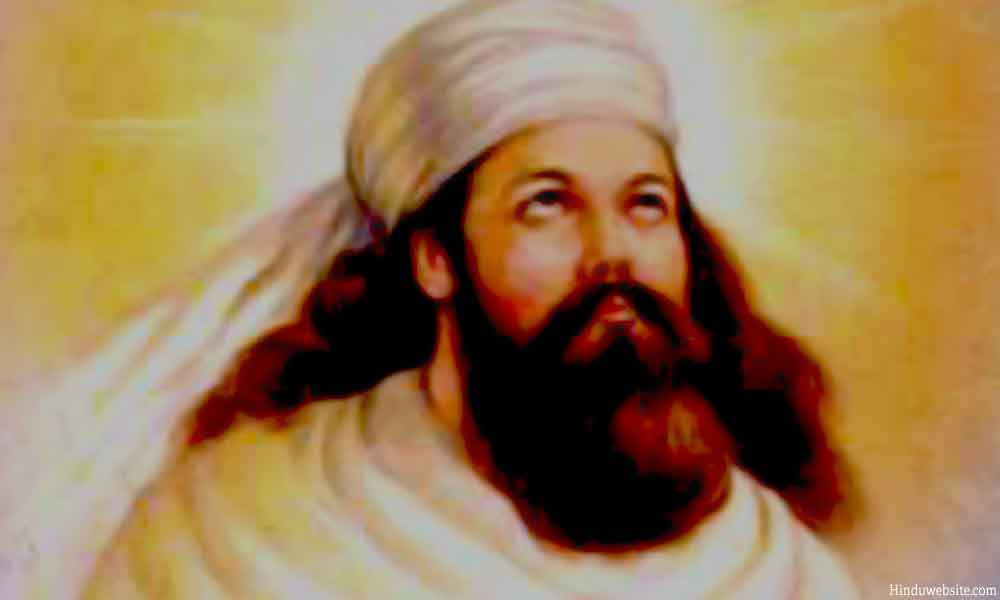
Zoroastrian texts depict creation as a definitive and gradual process, orchestrated by God as a part of a much greater plan to deal with the problem of evil permanently and comprehensively. In Zoroastrianism creation is viewed not as an end in itself but as the means to root out evil and establish on permanent basis order, truth, righteousness and purity of existence. The cosmic drama involving the conflict between God and evil is portrayed to span over a period of 12000 years at the end of which there will divine order, Asha, every where. This period is divided into four great phases, each spanning over 3000 years, marked by landmarks in which the tussle between good and evil leaves its own scars.
According to the Bundahishn, the first period is known as the Infinite Time. During this period, God Ohrmazd was forever. He was the Endless light, infinite, omniscient, goodness and eternal. He dwelt in the region of light and was all by Himself. During this time, Ahirmanm the evil being, was in his abysmal station, in his dark world. He was endless darkness, who was filled with destructive desire and malice. Both were separated by a great Void, which some call ether. Both are said to be finite as well as infinite. God is infinite or endless from the heights of the light region above and Ahirman is infinite and endless from the abysmal depths of darkness below. However since both are limited by the Void in between and not connected to each other, they are also regarded as finite. Because God is omniscient, He knew from the beginning about the existence of Ahirman beyond the Void, but Ahirman was not aware of God. God also knew about the confrontation between the two. So He created several entities spiritually for the coming battle.
But at some point in Infinite Time, Ahirman rose from his station and crossed the abyss. He came to the domain of luminous stars and saw Ahura Mazda in his full brilliance. Overcome with destructive desire and malice, He attacked him, but met with a greater valor and fortitude which he could not deal with. God saw the creatures of Ahirman and was not impressed with them. But Ahirman saw the entities of God and was over awed by them. Knowing well what was going to happen, God offered peace to Ahirman, asking him to obey His command and respect His entities. Ahirman misconstrued the offer as God's weakness and rejected the offer.
Then knowing well His malicious nature, God made an agreement with him, where by he deferred the contest by 9000 years. God offered this agreement because through His omniscience He foresaw that during the first three thousand years His will would prevail, the next three thousand years the will of both would prevail in a mingled state and in the third phase He would render the Evil Spirit useless. Ahirman accepted the offer as he was unable to foresee what was going to happen. After making the agreement, God chanted the most auspicious Ahunwar manthra and showed the Evil Spirit a vision what was going to happen eventually. After seeing the vision, Ahirman lost his heart and fell back into the Void overwhelmed with fear and despair.
After his first confrontation with God, Ahirman remained in a state of stupefaction for the next three thousand years, during which, as predicted, the will of God prevailed. In the interlude, God brought his spiritual and material creation. He first created Good Progress, then Finite Time From Infinite Time. Out of His own Self, out of the Essence of Light, He created the astral body of his creatures. He brought forth the temporal Beneficient Immortals. In the words of Bundahishn, "He, first, created forth Vohuman, out of Good-Progress, the Essence of Light.. and then, He created Ardwahisht, then Sahrewar, then Spendarmad, then Hordad and Amurdad; the seventh, Ohrmazd himself; eighth, Truthful-Utterance; ninth, Srosh pertaining to holiness; tenth, Manthra Spenta; eleventh, Neryosang; twelfth, the eminent Rad 'Rathwo Berezato'; thirteenth, the just Rashnu; fourteenth, Mihr of wide pasture lands; fifteenth, the good Ashiswang; sixteenth, Parend; seventeenth, Sleep; eighteenth, Vat; nineteenth, Lawfulness; twentieth, Beneficence of Peacefulness in dispute, accusation, and defense." He then brought forth His material creations: "first, the Sky, second, the Water, third, the Earth, fourth, the Tree, fifth, Beneficent Animal, sixth, the Man, [and seventh, Ohrmazd Himself; were His creations, which He created forth, with the help of the Wind which is the Lord of duration; for, when He had created forth the Wind which is the Lord of duration, it, too, became an agent that was requisite, for the creation of the creatures." While God was creating spiritual and material entities, Ahirman brought out His own creatures to oppose the creatures of God. "[first of the arch Devs, then] Indra, then Sauru, then Naon-haithya, then Taromat, then Tairich and Zairich, and then the other Devs; seventh, the Evil Spirit himself."
At the end of three thousand years, when Ahirman was still reeling from the previous confrontation with God, his wife Jeh backed by his creatures instigated him to attack the creation of God. After a lot of persuasion, he sprang into action and invaded the material creation of God. He pierced the sky, the earth, the waters, the wind and the fire. He and his creatures attacked the plants, the primeval ox, the primeval man, the sun, the moon and the stars. He entered into material things and metals and made them susceptible to decay and disintegration. The creatures of God fought with the creatures of Ahirman and the fight between the various opposing forces proceeded in the following fashion.
- Ahriman against Ohrmazd,
- Akoman against Vohuman,
- Indra against Ardwahisht,
- Sauru against Shahrewar,
- Naonhaithya, he whom they call Taromat also, against Spandarmad,
- Taurvi-ch against Hordad,
- Zairi-ch against Amurdad,
- Eshm [Aeshma] against Srosh,
- Falsehood and Untruth against Truthfulness,
- the Spell of sorcery against the holy Manthra.,
- Excess and Defectiveness against Temperance which is the good Religion,
- Wicked Thought, Wicked Utterance, and Wicked Deed against Good Thought, Good Word, and Good Deed,
- Astwihad which is called 'the Wicked Wind' against Ram which is 'the Good Wind',
- the pathless Varun against Innate Wisdom,
- Casting the evil eye which is Malignant Glance against Spiritual Sight,
- Idleness against Diligence,
- Lethargy against Sleep,
- Revenge against Peacefulness,
- Pain against Delight,
- Stink against Fragrance,
- Darkness against Light,
- Poison against Antidote,
- Bitterness against Sweetness,
- Parsimony against Charity,
- Avarice against Discriminate giving,
- Winter against Summer,
- Cold against Warmth,
- Dryness 'against Humidity,
- Hellishness against Heavenliness,
- Wickedness against Holiness,
- Apostasy against Piety,
- Decrepitude against Youth,
- Night against Day,
- Unforgiveness against Mercifulness, '
- Ganayih', that is, Smiting against Beneficence,
- Defilement against Purity,
- Contamination against Religious purification,
- Discontent against Contentment;
- Other Div-ik growths against Yazad-ik growths, such as the Mazendaran Devs and Drujs against the Yazads, the Allotters of Destiny, the Beneficent. Immortals.
- Darkness came against the Sky,
- Thirst against Water,
- Dry impurity, Noxious creatures and Lizard against the Earth,
- Hunger against the Tree,
- Hunger and Thirst against Beneficent Animals,
- Death and. Pestilence against Healing, Diseases of various kinds against Mankind,
- the Extinction and Blowing against Fires,
- Lion and Thieves of the wolf species against Dogs and Animals,
- Lizard against Fishes,
- 'Bo' with other winged Noxious creatures against Birds,
- Wicked Apostates against Holy Men,
- 'Jahi' against Women,
- Unrighteous Armament against Righteous Armament,
- the Destroying Druj against Life promoting Lineage,
- and other material Drujs against the terrestrial Yazads.
In the Firmament the confrontation took place in the following manner.
- the dark Mihr came against the Sun,
- the dark Moon against the Moon having the seed of the Beneficent Animal
- other winged Sorcerers with thirty fold destructive Planets] came [against the Constellations;]
- the seven Planet Chieftains against the seven Chieftains
of the Constellations, such as
- the Planet Mercury [Tir] against Sirius [Tishtar],
- the Planetary Jupiter against the ‘Seven Bears' [Haptoring],
- the Planetary Mars against Antares [Vanand], [59]
- the Planetary Venus against Sataves,
- Saturn [who is the Chieftain of] the Planetary [Chieftains] against the Lord of Mid-Heaven,
- even the tailed Dragon and Mush Parik against the Sun, Moon, and Stars.
The conflict between the forces of God and evil in the material world made the material things and creatures susceptible to hunger, pain, change, disturbance, death, disease, decay, discord, disintegration and other afflictions. The entry of Ahirman and his forces into the material plan was as per the plan devised by Ahura Mazda. It actually heralded the beginning (frasgrid) of the transformation of the material world and the eventual destruction of evil in the hands of God at the end of the fourth period. According ot Zoroastrian calendar, we are presently in the fourth period which began with the birth of Zoroaster. In this period a new savior will appear at the end of each millennium. The last one will be Saoshyant, the future son of Zoroaster. He will wage a battle against the evil forces and set in motion events that would culminate in the conflagration of the world and the Judgment Day.
The Zoroastrian Calendar
Zoroastrian calendar recognizes a year consisting of 365 days divided into 12 months of 30 days each. The five remaining days are called "good pentad." assigned to the five Gahs: Ahunawad Gah, Ushtawad Gah, Spentomad Gah, Wohukhshathra Gah, and Wahistoisht Gah.
The thirty days in the month are named after different entities of God in the following manner: Ohrmazd, Vohuman, Ardwahisht, Shahrewar, Spandarmad, Hordad, Amurdad, Day, Adar, Aban, Khwarshed, Mah, Tir, Goshorun, Day, Mihr, Srosh, Rasnu, Frawardin, Warharan, Ram, Wad, Day, Den, Ard, Ashtad, Asman; Zam, Mahraspand, and Anagran.
The names of the months are derived after the Beneficent Immortals: the month of Frawardin, Ardwahisht, Hordad, Tir, Amurdad, Shahrewar, Mihr, Aban, Adar, Day, Vohuman, and Spandarmad. For more infomation on Zoroastrian calendar please read the article Old Iranian Calendars by S. H. Taqizadeh
Suggestions for Further Reading
- Zoroastrianism, Life After Death And The Nature of Heaven and Hell
- Zoroastrianism, The Battle Between Good and Evil
- Ahura Mazda Or Ohrmazd, the Zoroastrian God
- Amesha Spentas or Ameshaspands
- Asha, The Zoroastrian Concept of Truth and Universal Order
- Important Beliefs of Zoroastrianism
- The Old Iranian Calendars, Part 1
- Zoroastrianism - Main Concepts
- Zoroastrianism, Cosmogony Or Theories of Creation
- The Zoroastrian Cosmology
- Zoroastrinaism - The Zoroastrian Creed - An Overview
- Zoroastrianism - Genesis and Zoroastrian Calendar
- Zoroastrianism - Overview Of The Zoroastrian Doctrine
- Untitled 1
- Zoroastrianism - Important Zoroastrian or Parsi Festivals
- Funeral Ceremonies, Death and Disposal Of The Dead in Zoroastrianism
- Zoroastrianism - The Funeral Ceremonies of the Parsees, Part 1
- Gender Equality and Status Of Women In Zoroastrianism
- Zoroastrianism, On Good and Bad Religions
- The History of Zoroastrianism
- Asuras and Daevas the Indo Iranian Connection
- Zoroastrianism Links, Resources and Websites
- The Sacred Literature Of Zoroastrianism
- An Overview Of Zoroastrian Religion
- Important Practices of Zoroastrian Religion
- Zoroastrian Priests
- The Nature of Sin, Types of Sin and Expiation of Sin
- Space And Time In Zoroastrianism
- Life and works of Zarathushtra
- Zoroastrianism Main Beliefs
- Zarathushtra - Zoroaster
- Zoroastrianism, Zoroastrian, Links and Web Resources
- Zoroaster, Zarathushtra, Zarathustra
- Essays On Dharma
- Esoteric Mystic Hinduism
- Introduction to Hinduism
- Hindu Way of Life
- Essays On Karma
- Hindu Rites and Rituals
- The Origin of The Sanskrit Language
- Symbolism in Hinduism
- Essays on The Upanishads
- Concepts of Hinduism
- Essays on Atman
- Hindu Festivals
- Spiritual Practice
- Right Living
- Yoga of Sorrow
- Happiness
- Mental Health
- Concepts of Buddhism
- General Essays