
Zoroastrianism - Main Concepts
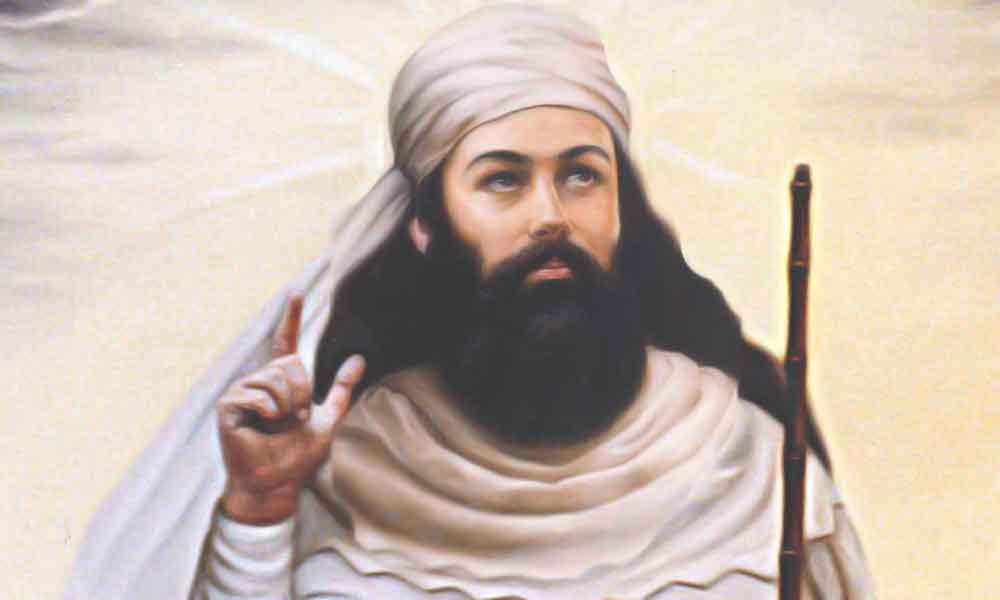
Very few people practice Zoroastrian religion today. However from a historical perspective, it has great significance because we can find some of its core practices and beliefs major world religions of today, namely Judaism, Christianity, Hinduism and Buddhism. Following are some of the core concepts of Zoroastrianism.
Ahura Mazda: He is the highest and supreme God who is the lord of the universe, creator, judge and righteousness.
Ahirman: He is the destroyer, the anti-God principle or the evil being who is opposed to God and all that God represents. He is also known as Angra Mainyu.
Ahunwar: It is the most sacred mantra of Zoroastrianism from the Avesta which is recited by the faithful to drive away the evil and sanctiy a place or person.
Ahuras: They are the divine entities, the lords, who are part of divine forces as opposed to the daevas or the evil entities. Mithra and Apam Napat are the most popular of the Ahuras next to Ahura Mazda.
Amesha Spentas. They are the six aspects or qualities of God who assist Him in maintaining the sanctity and purity of God's creation. They also serve as the ideals to be emulated and cultivated by the humanity. The six Amesha Spentas are Vohumano (good purpose) Asha Vahishta (righteousness), Kshathra Vairya (best dominion), Armaiti (holy devotion), Haurvatat (wholeness) and Ameretat (immortality).
Asha. It is a complex word that means many things in the context it is used. Generally it is used to convey holy order, world order, truth, righteousness and regularity of time and celestial events.
Avesta: Also known as Zend Avesta it is the sacred scripture of Zoroastrians written originally in the Avestan language. It is a collection of texts containing sacrificial hymns and invocations to God and other divinities.
The barsom: A ritual implement, usually a bundle of twigs or metal wire used by Zoroastrian priests to solemnize sacrificial ceremonies or yasnas. Symbolically barsom represents plant life.
Chinawad is the bridge in the spiritual world to which a soul goes after it departs from this world, where its actions are subjected to review and it is sent to either heaven or hell depending upon its actions. The soul has to cross this bridge before going to either of the places. The bridge changes its shape and texture according to the deeds of the soul. It makes the journey of the good souls pleasant and that of sinful soul highly unpleasant.
Deavas. In Zoroastrian world view, the daevas are the wrong gods or false gods who assist Angra Mainyu in vexing the world. They stand in contrast to the ahuras or the asuras who are revered by the Zoroastrians as the beings of light and forces of God. Zoroaster prohibited performance of sacrificial rituals to the daevas, who were till then worshipped by many people in ancient Iran. The daevas are six: Akoman, Indra, Saurva, Nanohaithya, Taurvi and Zairi.
Dakhma: A rounded structure with high walls and no roof used in the disposal of the dead bodies. It is a Zoroastrian custom not to bury or cremate their dead, but place them in a dakhma and allow the flesh to be eaten by vultures, birds and animals.
Gathas are the very early hymns found in the Avesta. They are supposed to have been written by Zoroaster himself. They contain very valuable information about the principles and practice of Zoroastrianism. The first Gatha known as Ahunavaiti Gatha contains is believed to form the core of Zoroastrian religion.
Kusti: A sacred thread worn around the waist, symbolizing moderation and commitment. It is made of 72 strands of lamb's wool and tied or untied accompanied by ritual prayers (Niran a Kusti) five times a day. Going out into the open without wearing kusti is a sacilge in Zoroastrianism.
Naujote: It is the Zoroastrian initiation ceremony meant for both boys and girls to induct them into the religion roughly between the ages 7 and 9.
Saoshyant: He is the future prophet, believed to be a future son of Zoroaster himself, who will wage a battle against evil and herald the end of the world and the last Judgment Day.
Sudre: It is the white upper garment worn by the followers of Zoroastrians as a symbol or purity and for a protection against evil when they go out.
Padyab: A short cleansing ritual performed while tying kusti.
Yasna: Yasna or sacrifice is akin in meaning to the yajna or Hinduism. Yasna is also one of the main division of Avesta. It has 72 sections and recited during the yasna ceremony by the Zoroastrian priests.
Yazatas. They are the good forces of Ahuramazda, who are worthy of worship and considered to be angels or divine entities who help the people of God
Yashts: Are a collection of 21 hymns of praise forming part of the Avesta addressed to Ahura Mazda, the archangels and the angels.
Yima. He was the son of Vivanghat, the good shepherd, the first mortal, before Zarathushtra, with whom Ahura Mazda conversed and taught the Zoroastrian religion. Under his lordship the earth prospered and the number of men, birds and cattle grew. He also enlarged the earth by two thirds to accommodate all the beings.
Suggestions for Further Reading
- Zoroastrianism, Life After Death And The Nature of Heaven and Hell
- Zoroastrianism, The Battle Between Good and Evil
- Ahura Mazda Or Ohrmazd, the Zoroastrian God
- Amesha Spentas or Ameshaspands
- Asha, The Zoroastrian Concept of Truth and Universal Order
- Important Beliefs of Zoroastrianism
- The Old Iranian Calendars, Part 1
- Zoroastrianism - Main Concepts
- Zoroastrianism, Cosmogony Or Theories of Creation
- The Zoroastrian Cosmology
- Zoroastrinaism - The Zoroastrian Creed - An Overview
- Zoroastrianism - Genesis and Zoroastrian Calendar
- Zoroastrianism - Overview Of The Zoroastrian Doctrine
- Untitled 1
- Zoroastrianism - Important Zoroastrian or Parsi Festivals
- Funeral Ceremonies, Death and Disposal Of The Dead in Zoroastrianism
- Zoroastrianism - The Funeral Ceremonies of the Parsees, Part 1
- Gender Equality and Status Of Women In Zoroastrianism
- Zoroastrianism, On Good and Bad Religions
- The History of Zoroastrianism
- Asuras and Daevas the Indo Iranian Connection
- Zoroastrianism Links, Resources and Websites
- The Sacred Literature Of Zoroastrianism
- An Overview Of Zoroastrian Religion
- Important Practices of Zoroastrian Religion
- Zoroastrian Priests
- The Nature of Sin, Types of Sin and Expiation of Sin
- Space And Time In Zoroastrianism
- Life and works of Zarathushtra
- Zoroastrianism Main Beliefs
- Zarathushtra - Zoroaster
- Zoroastrianism, Zoroastrian, Links and Web Resources
- Zoroaster, Zarathushtra, Zarathustra
- Essays On Dharma
- Esoteric Mystic Hinduism
- Introduction to Hinduism
- Hindu Way of Life
- Essays On Karma
- Hindu Rites and Rituals
- The Origin of The Sanskrit Language
- Symbolism in Hinduism
- Essays on The Upanishads
- Concepts of Hinduism
- Essays on Atman
- Hindu Festivals
- Spiritual Practice
- Right Living
- Yoga of Sorrow
- Happiness
- Mental Health
- Concepts of Buddhism
- General Essays