
Avijja Sutta - The Buddha on Ignorance
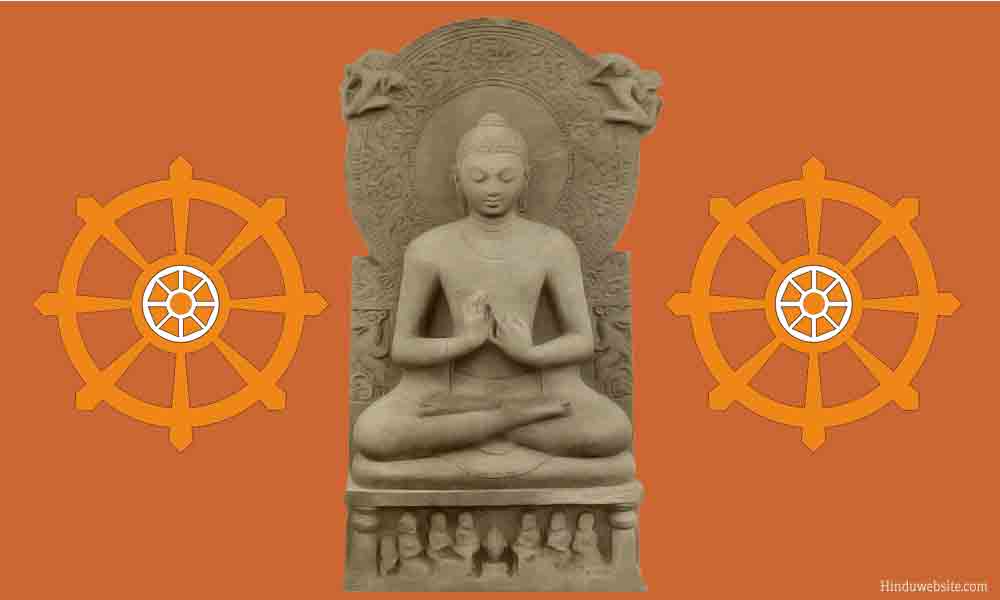
This article is a translation of the Avijja Sutta, Buddha's discourse on how clear knowing arises when ignorance is abandoned and how a monk knows that he has abandoned ignorance.
Then a certain monk went to the Blessed One and, on arrival, having bowed down to him, sat to one side. As he was sitting there, he said to the Blessed One:
"Lord, is there any one thing with whose abandoning in a monk ignorance is abandoned and clear knowing arises?"
"Yes monk, there is one thing with whose abandoning in a monk ignorance is abandoned and clear knowing arises."
"What is that one thing?"
"Ignorance, monk, is the one thing with whose abandoning in a monk ignorance is abandoned and clear knowing arises." 1
"But how does a monk know, how does a monk see, so that ignorance is abandoned and clear knowing arises?"
"There is the case, monk, where a monk has heard, 'All things are unworthy of attachment.' Having heard that all things are unworthy of attachment, he directly knows every thing. Directly knowing every thing, he comprehends every thing. Comprehending every thing, he sees all themes2 as something separate. 3
"He sees the eye as something separate. He sees forms as something separate. He sees eye-consciousness as something separate. He sees eye-contact as something separate. And whatever arises in dependence on eye-contact — experienced either as pleasure, as pain, or as neither-pleasure-nor-pain — that too he sees as something separate.
"He sees the ear as something separate...
"He sees the nose as something separate...
"He sees the tongue as something separate...
"He sees the body as something separate...
"He sees the intellect as something separate. He sees ideas as something separate. He sees intellect-consciousness as something separate. He sees intellect-contact as something separate. And whatever arises in dependence on intellect-contact — experienced either as pleasure, as pain, or as neither-pleasure-nor-pain — that too he sees as something separate.
"This is how a monk knows, this is how a monk sees, so that ignorance is abandoned and clear knowing arises."
Suggestions for Further Reading
- Buddhism - The Concept of Anatta or No Self
- Anatta or Anatma in Buddhism
- Anicca or Anitya in Buddhism
- The Buddha on God
- The Buddha on Avijja or Ignorance and on the Origin of Life
- The Eightfold Path Of Buddhism
- The Four Noble Truths of Buddhism
- Buddhism - Right Living On The Eightfold Path
- Handbook for the Relief of Suffering by Ajaan Lee
- Meat Eating or Vegetarianism in Buddhism
- The Agendas of Mindfulness
- Meditation on Anicca or Impermanence in Buddhism
- A Sketch of the Buddha's Life
- What is Ignorance And Cessation Of Ignorance
- The Meaning of the Buddha's Awakening
- Basic Breath Meditation Practice
- Buddha's Teachings on Kamma or Karma
- Affinities Of Buddhism And Christianity
- Death and Dying in Buddhism
- Buddhism In A Nutshell
- The Buddha on Ignorance or Avijja
- Dhamma for Everyone by Ajaan Lee Dhammadharo
- Advaita Vedanta and Buddhism
- Four Discourses of the Buddha on Everyman's Ethics
- The Five Aggregates A Study Guide
- The Healing Power of the Five Buddhist Percepts
- The Working of Maya or Illusion - A Buddhist Perspective
- Buddhism - Kamma (Karma) and its Fruit
- Buddhism - Kamma (Karma) A Study Guide
- Buddhism - Living the Dhamma A Practice Guide
- What Anatta or No-Self is All About
- Buddhism - The Middle Way
- The Buddhist Monastic Code, Dhamma-Vinaya
- Nibbana, or Nivranva in Buddhsim
- Why The Buddha Taught the Anatta or Not-Self Doctrine
- The Status of Women in Buddhist Societies
- Buddhism - The Practice of Loving-Kindness (Metta)
- Buddhism - Does Rebirth Make Sense
- Buddhism - Right Concentration
- Buddhism - Intentions and Nirvana
- The Round of Rebirth - Samsara
- The Role of Samavega in Buddhism
- The Chaos Theory and Nirvana in Buddhism
- A Christian's Journey Into Buddhism
- A Simple Guide to Buddhism
- Buddhist Cosmology - The Thirty one Realms of Existence
- Buddhism and the concept of renunciation
- Sankharas (Samskaras) in Buddhism
- Vedanta and Buddhism A Comparative Study
- Buddhism - Vipansana or Insight Meditation
- The Right Approach To End Suffering in Buddhismm
- Essays On Dharma
- Esoteric Mystic Hinduism
- Introduction to Hinduism
- Hindu Way of Life
- Essays On Karma
- Hindu Rites and Rituals
- The Origin of The Sanskrit Language
- Symbolism in Hinduism
- Essays on The Upanishads
- Concepts of Hinduism
- Essays on Atman
- Hindu Festivals
- Spiritual Practice
- Right Living
- Yoga of Sorrow
- Happiness
- Mental Health
- Concepts of Buddhism
- General Essays
Notes
1. In other words, ignorance is so fundamental that it has to be attacked directly.
3. Aññato: literally, "as other." The Commentary explains this as "in another way" or "differently" from the way ordinary beings view things, but that does not fit with the syntax of the Pali, nor does it really answer the monk's question.
Source: Translated from the Pali by Thanissaro Bhikkhu. Copyright © 2003 Thanissaro Bhikkhu. For free distribution. This work may be republished, reformatted, reprinted, and redistributed in any medium. It is the author's wish, however, that any such republication and redistribution be made available to the public on a free and unrestricted basis and that translations and other derivative works be clearly marked as such.