Advanced SEO: Content, Links and Rankings
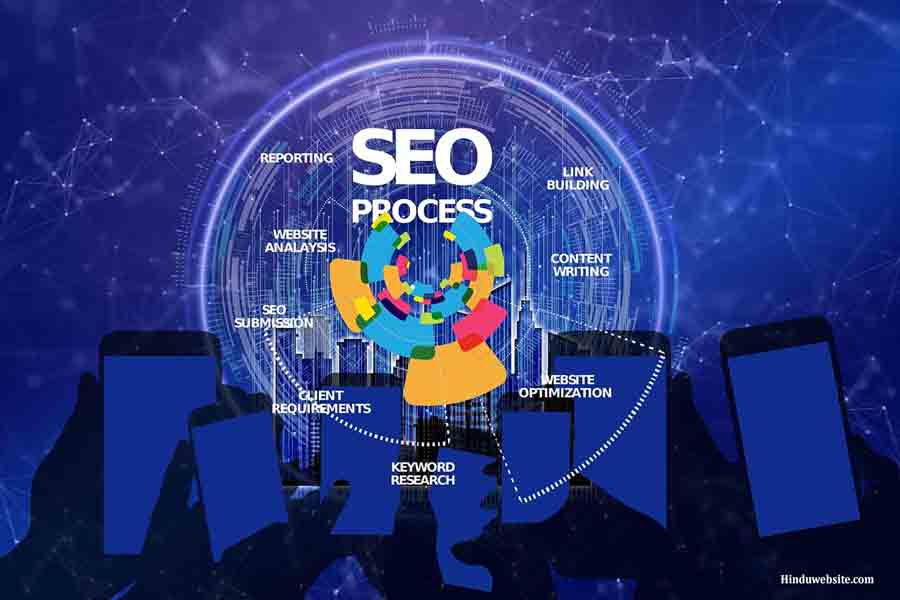
Summary: A guide to advanced search engine optimization strategies, covering content depth and E-E-A-T, backlink building, user experience signals, Core Web Vitals, structured data, and the growing influence of AI on search rankings.
If the fundamentals of SEO cover the basics of making a website visible to search engines, advanced SEO is about making it genuinely competitive — not just findable, but preferred. This guide builds on the principles covered in our introduction to search engine optimization and explores the strategies that separate pages which consistently rank well from those that struggle to gain traction.
Content Depth and E-E-A-T
Google uses a set of quality criteria, often summarised as E-E-A-T — Experience, Expertise, Authoritativeness, and Trustworthiness — as a framework for evaluating the quality of web content. These criteria are especially important for pages covering health, finance, legal topics, and other areas where inaccurate information could cause real harm, but they apply to all content to varying degrees.
Creating content that demonstrates genuine expertise means going beyond surface-level overviews. Well-researched articles that cite credible sources, answer questions comprehensively, and reflect real-world experience tend to earn both reader trust and ranking improvements. Thin content — pages that exist mainly to fill space or target keywords without adding real value — is actively deprioritised by modern search algorithms.
Updating existing content regularly is also important. A page that was comprehensive two years ago may now be outdated. Freshness signals matter, particularly for topics that evolve quickly, such as technology, current events, and digital marketing itself.
Backlinks and Link Building
A backlink is a link from another website to yours. Search engines treat backlinks as votes of confidence, and pages with more high-quality backlinks tend to rank better than those with few or none. However, the quality of backlinks matters far more than quantity. A single link from a respected publication in your field is worth more than dozens of links from low-quality or unrelated sites.
Earning backlinks naturally — through creating content that others genuinely want to reference — is the most sustainable approach. Publishing original research, detailed guides, practical tools, or compelling visual content often attracts links without active outreach. When you do reach out to other site owners, focus on offering something genuinely valuable rather than simply requesting a link.
Avoid schemes involving link buying, link farms, or excessive reciprocal linking. Search engines are highly skilled at identifying manipulative link patterns, and sites caught using them risk significant ranking penalties that can take months to recover from.
User Experience Signals
Search engines increasingly use behavioural signals — how users interact with search results — to assess the quality of individual pages. If a user clicks through to your page and immediately returns to the search results, that suggests your content did not meet their needs. High click-through rates from search results and longer time spent on a page both indicate a positive user experience, and both are factors that influence how search engines evaluate your pages over time.
This means that the appearance of your search listing matters, not just your position in results. A compelling meta description can significantly improve how many people click your result, even if you rank lower than a competitor. Well-organised pages with clear headings, readable text, and logical navigation keep visitors engaged. A poor user experience — confusing layouts, intrusive pop-ups, or slow loading — damages both visitor satisfaction and search performance.
Core Web Vitals
Google uses a set of performance measurements called Core Web Vitals as ranking signals. These assess the real-world loading speed, interactivity, and visual stability of pages as experienced by actual users:
- Largest Contentful Paint (LCP): how quickly the main content of a page loads. A good LCP score is under 2.5 seconds.
- Interaction to Next Paint (INP): how quickly the page responds to user interactions such as taps, clicks, and keyboard input. A lower score indicates a more responsive page.
- Cumulative Layout Shift (CLS): how much page elements move around unexpectedly while the page is loading. A low score means a stable, predictable layout that does not shift under the user's cursor or fingers.
Improving these metrics typically involves optimising images, reducing the impact of third-party scripts, and ensuring server response times are fast. Google Search Console provides detailed reports on Core Web Vitals performance for your site, along with guidance on which pages need attention.
Structured Data and Rich Results
Structured data is code added to a page that helps search engines understand its content in a precise, machine-readable format. Using structured data correctly can qualify your pages for rich results — enhanced search listings that display additional information such as star ratings, event dates, product prices, or FAQ answers directly in the search results page. These enhanced listings are more visually prominent and can significantly improve click-through rates even without a change in ranking position.
Schema.org is the standard vocabulary for structured data, and Google supports many schema types including Article, Product, Recipe, LocalBusiness, and FAQ. Adding appropriate schema markup to your pages requires some technical knowledge but can provide meaningful visibility benefits for sites that implement it correctly.
AI and the Future of Search
The rise of AI-generated answers in search results is changing how users interact with search engines. Features such as Google's AI Overviews provide direct answers to questions at the top of the results page, sometimes reducing clicks to individual websites for simple queries. This makes it increasingly important to create content that establishes genuine authority on a topic rather than simply targeting keywords.
Pages that are comprehensive, well-structured, and clearly written are more likely to be cited within AI-generated summaries. Optimising for answer-style queries, using clear headings, providing concise definitions, and presenting information in a format that is easy to extract all help in an AI-influenced search environment. The underlying principle remains unchanged: authoritative, useful content written for real readers is the most durable SEO strategy available.
Long-Term SEO Thinking
Advanced SEO is not about finding new tricks — it is about building a website that search engines can trust. Consistency in publishing quality content, maintaining good technical health, and earning links through genuine merit are the practices most likely to sustain strong rankings over time. Shortcuts that produce quick gains tend to be reversed by algorithm updates, while sites that have earned their rankings through quality tend to be rewarded with greater stability.
For those starting out, a solid grounding in the basics is the essential first step. Our introduction to search engine optimization fundamentals covers keywords, on-page factors, technical setup, and the core principles that underpin everything discussed in this article.
This article was written with AI assistance and reviewed for accuracy. Image for the topic of this page created with images from Pixabay.