Programming Languages: A Modern Overview
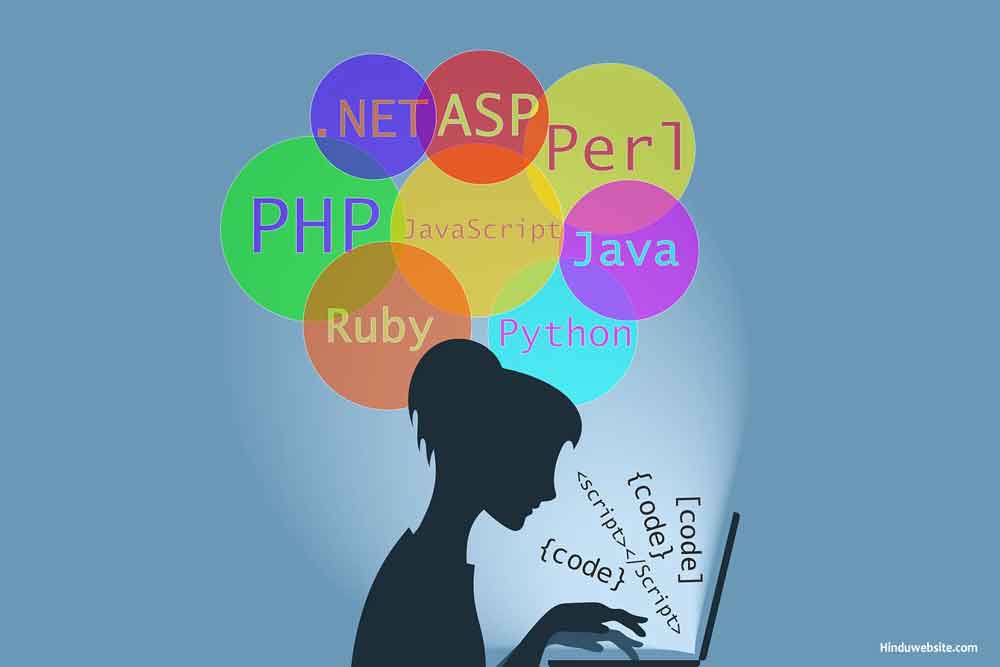
Summary: An overview of the most widely used programming languages in 2025 — Python, JavaScript, Java, C++, and more — covering what they are used for and how to choose one to learn.
A programming language is a formal system of instructions that a computer can understand and execute. Just as natural languages allow humans to communicate with one another, programming languages allow humans to communicate instructions to machines. Thousands of programming languages have been created over the decades, each with its own syntax, design philosophy, and intended use cases. A relatively small number of these languages account for the vast majority of software written today, and choosing the right language for a given task — or as a first language to learn — is one of the more consequential decisions a programmer makes.
Python
Python has become the most popular programming language in the world by most measures, and for good reason. Its syntax is clean and readable, making it accessible to beginners while remaining powerful enough for professional use across a wide range of domains. Python is the dominant language for data science, machine learning, and artificial intelligence — the majority of AI research and production systems are built using Python libraries such as NumPy, Pandas, TensorFlow, and PyTorch. It is also widely used for web development (Django, FastAPI), automation and scripting, scientific computing, and as a general-purpose glue language in complex software environments.
JavaScript
JavaScript is the language of the web. It is the only programming language that runs natively in all major web browsers, making it indispensable for building interactive websites and web applications. On the front end, JavaScript manipulates the DOM, handles user events, and powers dynamic content. Node.js extended JavaScript to server-side development, allowing a single language to be used throughout an entire web application stack. Frameworks such as React, Vue, and Angular have built on JavaScript to create rich, complex user interfaces. TypeScript — a typed superset of JavaScript developed by Microsoft — has become increasingly popular for larger codebases where catching errors at compile time rather than at runtime is valuable.
Java and C#
Java has been a mainstay of enterprise software development for three decades. Its "write once, run anywhere" design — made possible by the Java Virtual Machine — allows Java programs to run on any platform that supports the JVM. Java powers large-scale backend systems, Android app development, and enterprise applications at some of the world's largest organizations. C#, developed by Microsoft, occupies a similar niche within the Microsoft ecosystem. It is the primary language for .NET development, widely used in enterprise applications, Windows software, and game development through the Unity game engine. Both languages are strongly typed, object-oriented, and have large, well-supported standard libraries.
C and C++
C is one of the oldest widely used programming languages, having shaped nearly every major operating system and programming language that followed it. It remains essential for systems programming, embedded development, and any application where direct control over memory and hardware is required. C++ extends C with object-oriented features and is used extensively in game development, real-time systems, high-performance computing, and applications where execution speed is critical. Both languages demand careful memory management from the programmer, which is why Rust — a newer systems programming language designed with memory safety guarantees — has attracted significant interest as a modern alternative.
Other Notable Languages
Go (Golang), developed by Google, is valued for its simplicity, performance, and built-in support for concurrency, making it popular for backend services and cloud infrastructure tools. Swift is Apple's modern language for iOS and macOS development. Kotlin has largely replaced Java for Android development, offering a more concise and expressive syntax. PHP, though older, continues to power a large portion of the web, including WordPress. SQL is not a general-purpose language but is the essential language for querying and managing relational databases, and knowledge of it is effectively required for most backend or data-oriented development work.
Choosing a Language to Learn
For most beginners, Python is the recommended starting point — its readability makes the concepts of programming easier to grasp without being obscured by complex syntax. For those specifically interested in web development, JavaScript is the natural choice given its ubiquity in that domain. For mobile development, Swift targets iOS and Kotlin targets Android. For data science and AI work, Python is essentially the only serious choice. The most important factor is not picking the optimal language in the abstract, but choosing one that aligns with what you want to build — and then learning it deeply.
This article was written with AI assistance and reviewed for accuracy. Image for the topic of this page created with images from Pixabay.