How Search Engines Work in the Age of AI
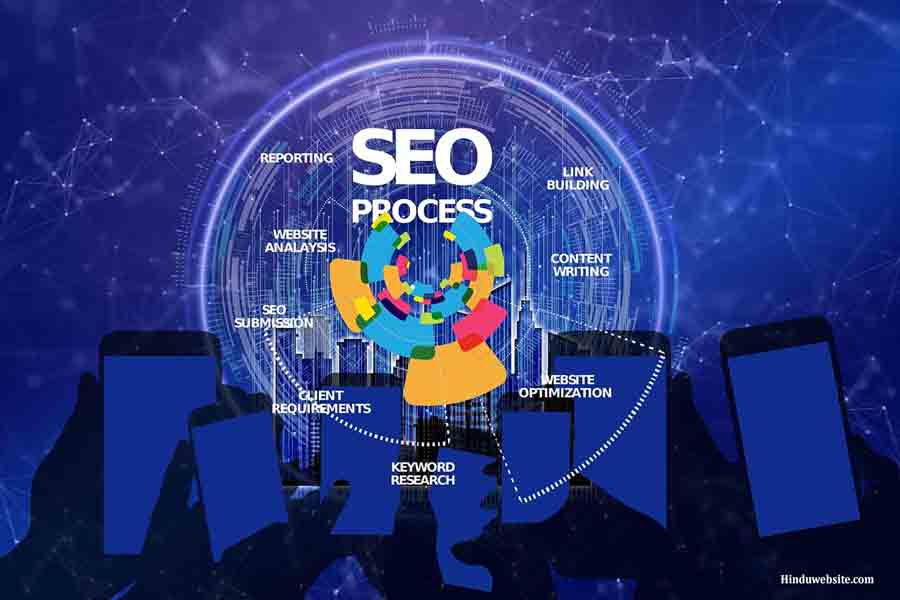
Summary: A guide to how search engines work, covering the three-stage process of crawling, indexing, and ranking, how ranking algorithms evaluate quality and relevance, and how artificial intelligence is reshaping the way search results are generated and displayed.
When you type a query into Google or any other search engine and receive results in a fraction of a second, the process that makes that possible is far more complex than it appears. Search engines do not search the web in real time when you make a query. Instead, they maintain an enormous pre-built index of web pages that is constantly updated, and they search that index to find the most relevant matches for your query. Understanding how this process works gives you a clearer picture of why some pages rank well and others do not — and what the rise of artificial intelligence means for the future of search.
Step One: Crawling
The first stage in how a search engine builds its knowledge of the web is called crawling. Search engines deploy automated programs called crawlers, spiders, or bots — Google's is called Googlebot — that systematically visit web pages and follow the links they find there. Starting from a set of known pages, a crawler follows one link after another, working its way through vast numbers of connected pages across the web.
A crawler visits each page, reads its content, and records information about it. It then follows the links on that page to find new pages to visit. This process repeats continuously, allowing the search engine to discover new content and revisit existing pages to check for updates. Pages that are not linked to from anywhere else on the web are effectively invisible to crawlers — which is one reason why internal linking and having links from other sites matters for search visibility.
Website owners can communicate with crawlers using a file called robots.txt, placed in the root directory of a website. This file contains instructions that tell crawlers which pages or directories they are allowed to visit and which they should ignore. A sitemap — an XML file listing all the important pages on a site — also helps crawlers find and prioritise content efficiently.
Step Two: Indexing
Once a page has been crawled, the information gathered is processed and stored in the search engine's index — a vast database containing details about billions of web pages. Indexing involves analysing the content of each page: the words it contains, the topics it covers, the headings used to structure it, the images and their alt text, the links pointing to and from the page, and many other signals.
Not every page that is crawled is included in the index. Search engines apply quality filters and may exclude pages with very thin content, duplicate content that appears on multiple URLs, or pages that have been deliberately excluded via robots.txt or meta tags. A page that is crawled but not indexed will not appear in search results regardless of its quality.
Step Three: Ranking
When a user submits a search query, the search engine retrieves relevant pages from its index and ranks them in order of estimated relevance and quality. Ranking is where the real sophistication lies. Search engines use complex algorithms that weigh hundreds of factors to determine which pages deserve to appear at the top of the results for a given query.
Among the most significant ranking factors are the quality and depth of a page's content, its relevance to the specific query, the authority of the website as measured partly through the quantity and quality of links from other sites, the technical performance of the page (including load speed and mobile compatibility), and signals derived from how users interact with search results. These factors are constantly refined as the search engine learns what produces satisfying results for its users.
How Ranking Algorithms Evaluate Quality
Modern search engines go well beyond simple keyword matching. Early search engines ranked pages largely based on how frequently a search term appeared in the text, which led to widespread keyword stuffing and manipulation. Today's algorithms are far more sophisticated. They assess whether a page genuinely addresses the searcher's intent, whether the content is original and comprehensive, whether the source is trustworthy and authoritative in its field, and whether the overall user experience of the page meets a high standard.
Google's systems, for example, are known to evaluate content against a framework of experience, expertise, authoritativeness, and trustworthiness — factors that reflect the genuine value of a page to real readers rather than its surface-level optimisation for search engines. Pages that provide reliable, well-presented information written by knowledgeable authors tend to rank more consistently than pages optimised purely for search terms.
AI and the Transformation of Search
Artificial intelligence has become central to how search engines work. Machine learning models now power the understanding of queries, allowing search engines to interpret natural language, recognise context and intent, and match queries to relevant content even when the exact words do not appear on the page. Google's systems can understand that a search for "how to fix a leaky tap" and "dripping faucet repair" are seeking the same information, regardless of the different wording.
More recently, generative AI has introduced a new layer to search results. Features such as AI-generated summaries appear at the top of results for many queries, synthesising information from multiple sources into a direct answer. This changes the landscape for website owners: pages that are comprehensive, clearly structured, and written with genuine authority are more likely to be referenced within these AI-generated answers, while thin or poorly organised pages may receive less visibility than before.
What This Means for Website Owners
Understanding how search engines work is the foundation of effective search engine optimisation. Knowing that search engines prioritise quality, authority, and user experience over keyword frequency explains why the most durable SEO strategies focus on creating genuinely useful content, maintaining a technically sound website, and building a credible presence over time. For a practical guide to optimising your website for search, see our article on search engine optimization fundamentals. For a broader overview of the search engine landscape, visit our search engines resource page.
This article was written with AI assistance and reviewed for accuracy. Image for the topic of this page created with images from Pixabay.