
A History Of Indian Philosophy - CONTENTS
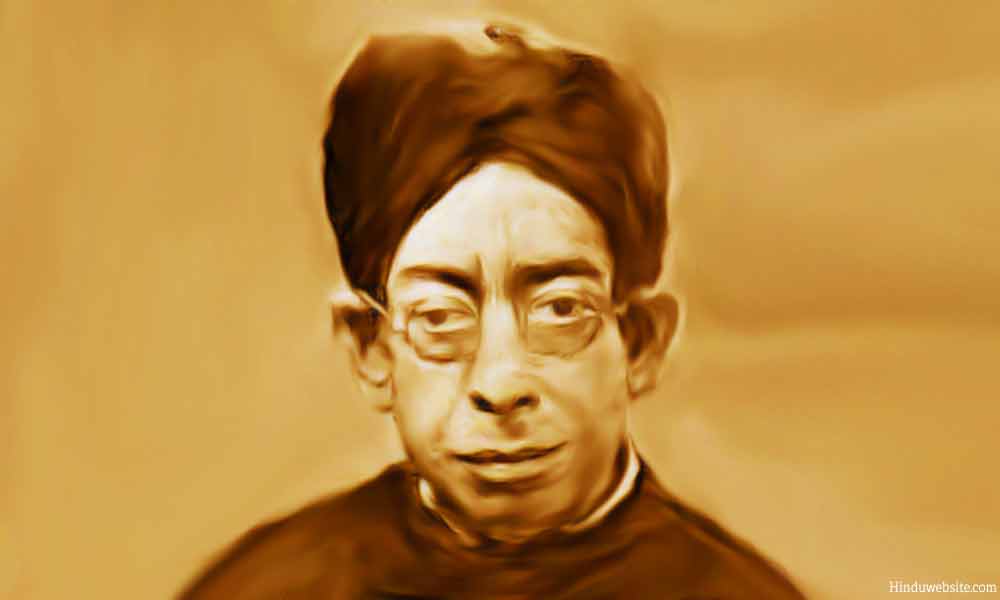
An artistic impression of Surendranath Dasgupta
CHAPTER I- INTRODUCTORY.....................................................1
CHAPTER II - THE VEDAS, BRÂHMANAS AND THEIR PHILOSOPHY
1 The Vedas and their antiquity.................................10
2 The place of the Vedas in the Hindu mind......................10
3 Classification of the Vedic literature........................11
4 The Samhitâs.................................................12
5 The Brâhmanas................................................13
6 The Âranyakas................................................14
7 The Rg-Veda, its civilization................................14
8 The Vedic gods................................................16
9 Polytheism, Henotheism, and Monotheism........................17
10 Growth of a Monotheistic tendency; Prajâpati, Vis'vakarma.....19
11 Brahma........................................................20
12 Sacrifice; the First Rudiments of the Law of Karma............21
13 Cosmogony--Mythological and Philosophical.....................23
14 Eschatology; the Doctrine of Âtman............................25
15 Conclusion....................................................26
CHAPTER III - THE
EARLIER UPANISADS (700 B.C.-600 B.C.)
1 The place of
the Upanisads in Vedic literature...............28
2 The names
of the Upanisads; Non-Brahmanic influence..........30
3 Brâhmanas
and the Early Upanisads...........................31
4 The meaning
of the word Upanisad.............................38
5 The composition
and growth of diverse Upanisads..............38
6 Revival of
Upanisad studies in modern times..................39
7 The Upanisads
and their interpretations......................41
8 The quest
after Brahman: the struggle and the failures........42
9 Unknowability
of Brahman and the Negative Method..............44
10 The Âtman
doctrine............................................45
11 Place
of Brahman in the Upanisads............................48
12
The World.....................................................51
13 The World-Soul................................................52
14 The Theory of Causation.......................................52
15 Doctrine of Transmigration....................................53
16 Emancipation..................................................58
CHAPTER IV - GENERAL OBSERVATIONS ON THE
SYSTEMS OF INDIAN PHILOSOPHY
1 In what sense is A History
Of Indian Philosophy possible?......62
2 Growth of the Philosophic
Literature...........................65
3 The Indian systems
of Philosophy...............................67
4 Some fundamental
points of agreement...........................71
1 _The Karma
theory_.........................................71
2 _The Doctrine
of Mukti_....................................74
3 _The Doctrine
of Soul_.....................................75
5 The Pessimistic
Attitude towards the World and the Optimistic
Faith in the end...............................................75
6 Unity in Indian Sâdhana (philosophical, religious and ethical
endeavours)....................................................77
CHAPTER V - BUDDHIST
PHILOSOPHY
1 The State of Philosophy in India before Buddha.................78
2 Buddha: his Life...............................................81
3 Early Buddhist Literature......................................82
4 The Doctrine of Causal Connection of early Buddhism............84
5 The Khandhas...................................................93
6 Avijjâ and Âsava...............................................99
7 Sîla and Samâdhi..............................................100
8 Kamma.........................................................106
9 Upanisads and Buddhism.......................................109
10 The Schools of Theravâda Buddhism.............................112
11 Mahâyânism....................................................125
12 The Tathatâ Philosophy of As'vaghosa (80 A.D.)...............129
13 The Mâdhyamika or the Sûnyavâda school--Nihilism..............138
14 Uncompromising Idealism or the School of Vijñânavâda Buddhism.145
15 Sautrântika theory of Perception..............................151
16 Sautrântika theory of Inference...............................155
17 The Doctrine of Momentariness.................................158
18 The Doctrine of Momentariness and the Doctrine of Causal
Efficiency
(Arthakriyâkâritva)..................................163
19 Some
Ontological Problems on which the Different Indian Systems
diverged........................................................164
20 Brief Survey of the Evolution of Buddhist Thought.............166
CHAPTER VI - THE JAINA PHILOSOPHY
1 The Origin of Jainism.........................................169
2 Two Sects of Jainism..........................................170
3 The Canonical and other Literature of the Jains...............171
4 Some General Characteristics of the Jains.....................172
5 Life of Mahâvîra..............................................173
6 The Fundamental Ideas of Jaina Ontology.......................173
7 The Doctrine of Relative Pluralism (Anekântavâda).............175
8 The Doctrine of Nâyas.........................................176
9 The Doctrine of Syâdvâda......................................179
10 Knowledge, its value for us...................................181
11 Theory of Perception..........................................183
12 Non-Perceptual knowledge......................................185
13 Knowledge as Revelation.......................................186
14 The Jîvas.....................................................188
15 Karma Theory..................................................190
16 Karma, Âsrava and Nirjarâ.....................................192
17 Pudgala.......................................................195
18 Dharma, Adharma, Âkâs'a.......................................197
19 Kâla and Samaya...............................................198
20 Jaina Cosmography.............................................199
21 Jaina Yoga....................................................199
22 Jaina Atheism.................................................203
23 Moksa (emancipation).........................................207
CHAPTER VII - THE KAPILA AND THE PÂTAÑJALA SÂMKHYA (YOGA)
1 A Review......................................................208
2 The Germs of Sâmkhya in the Upanisads.......................211
3 Sâmkhya and Yoga Literature..................................212
4 An Early School of Sâmkhya...................................213
5 Sâmkhya kârikâ, Sâmkhya sûtra, Vâcaspati Mis'ra and Vijñâna
Bhiksu..........................................................222
6 Yoga and Patañjali............................................226
7 The Sâmkhya and the Yoga doctrine of Soul or Purusa..........238
8 Thought and Matter............................................241
9 Feelings, the Ultimate Substances.............................242
10 The Gunas.....................................................243
11 Prakrti and its evolution...................................245
12 Pralaya and the disturbance of the Prakrti Equilibrium.......247
13 Mahat and Ahamkâra............................................248
14 The Tanmâtras and the Paramâñus...............................251
15 Principle of Causation and Conservation of Energy.............254
16 Change as the formation of new collocations...................255
17 Causation as Satkâryavâda (the theory that the effect
potentially
exists before it is generated by the movement
of the cause)...................................................257
18 Sâmkhya Atheism and Yoga Theism..............................258
19 Buddhi and Purusa.............................................259
20 The Cognitive Process and some characteristics of Citta.......261
21 Sorrow and its Dissolution....................................264
22 Citta.........................................................268
23 Yoga Purificatory Practices (Parikarma).......................270
24 The Yoga Meditation...........................................271
CHAPTER VIII - THE NYÂYA-VAISESIKA PHILOSOPHY
1 Criticism of Buddhism and Sâmkhya from the Nyâya standpoint...274
2 Nyâya and Vais'esika sûtras...................................276
3 Does Vais'esika represent an old school of Mîmâmsâ?..........280
4 Philosophy in the Vais'esika sûtras...........................285
5 Philosophy in the Nyâya sûtras.................................294
6 Philosophy of Nyâya sûtras and Vais'esika sûtras..............301
7 The Vais'esika and Nyâya Literature...........................305
8 The main doctrine of the Nyâya-Vais'esika Philosophy..........310
9 The six Padârthas: Dravya, Guna, Karma, Sâmânya, Vis'esa,
Samavâya........................................................313
10 The Theory of Causation.......................................319
11 Dissolution (Pralaya) and Creation (Srsti).................323
12 Proof of the Existence of Is'vara.............................325
13 The Nyâya-Vais'esika Physics.................................326
14 The Origin of Knowledge (Pramâna)............................330
15 The four Pramânas of Nyâya...................................332
16 Perception (Pratyaksa).......................................333
17 Inference.....................................................343
18 Upamâna and S'abda............................................354
19 Negation in Nyâya-Vais'esika.................................355
20 The necessity of the Acquirement of debating devices for
the
seeker of Salvation.........................................360
21 The Doctrine of Soul..........................................362
22 Îs'vara and Salvation.........................................363
CHAPTER IX - MÎMÂMSÂ PHILOSOPHY
1 A Comparative Review...........................................367
2 The Mîmâmsâ Literature........................................369
3 The Paratah-prâmânya doctrine of Nyâya and the
Svatah-prâmânya
doctrine of Mîmâmsâ..........................372
4 The place
of Sense-organs in Perception........................375
5 Indeterminate
and Determinate Perception.......................378
6 Some Ontological
Problems connected with the Doctrine of
Perception......................................................379
7 The Nature of Knowledge........................................382
8 The Psychology of Illusion.....................................384
9 Inference......................................................387
10 Upamâna, Arthâpatti...........................................391
11 S'abda-pramâna...............................................394
12 The Pramâna of Non-perception (anupalabdhi)..................397
13 Self, Salvation, and God......................................399
14 Mîmâmsâ as Philosophy and Mimâmsâ as Ritualism..............403
CHAPTER X - THE S'ANKARA SCHOOL OF VEDÂNTA
1 Comprehension of the Philosophical Issues more essential
than
the Dialectic of Controversy....................................406
2 The philosophical situation: a Review..........................408
3 Vedânta Literature.............................................418
4 Vedânta in Gaudapâda..........................................420
5 Vedânta and Sankara (788-820 A.D.)............................429
6 The main idea of the Vedânta philosophy........................439
7 In what sense is the world-appearance false?...................443
8 The nature of the world-appearance, phenomena..................445
9 The Definition of Ajñâna (nescience)...........................452
10 Ajñâna established by Perception and Inference................454
11 Locus and Object of Ajñâna, Ahamkâra and Antahkarana.......457
12 Anirvâcyavâda and the Vedânta dialectic.......................461
13 The Theory of Causation.......................................465
14 Vedânta theory of Perception and Inference....................470
15 Âtman, Jîva, Is'vara, Ekajîvavâda and Drstisrstivâda....474
16 Vedânta theory of Illusion....................................485
17 Vedânta Ethics and Vedânta Emancipation.......................489
18 Vedânta and other Indian systems..............................492
INDEX............................................................495
Suggestions for Further Reading
- The Advaita Vedanta - Non Duality
- Hinduism - The Nyaya and Vaishesika Philosophy
- Introduction to Hinduism - Prakriti
- The Kapila And The Pâtañjala Samkhya Yoga
- The Sankhya Philosophy of Hinduism
- Samkhya and Yoga in Hinduism and Buddhism
- Yoga and the Power of Subconscious
- Darsanas of Hinduism - Nyaya and Vaisheshika
- The Vedanta School of Hinduism
- The Essential Yoga philosophy
- The Philosophy of Buddhism
- Jainism - Doctrine and History
- Jainism - Philosophy and Doctrine
- Essays On Dharma
- Esoteric Mystic Hinduism
- Introduction to Hinduism
- Hindu Way of Life
- Essays On Karma
- Hindu Rites and Rituals
- The Origin of The Sanskrit Language
- Symbolism in Hinduism
- Essays on The Upanishads
- Concepts of Hinduism
- Essays on Atman
- Hindu Festivals
- Spiritual Practice
- Right Living
- Yoga of Sorrow
- Happiness
- Mental Health
- Concepts of Buddhism
- General Essays
Source: A History Of Indian Philosophy Surendranath Dasgupta Volume I First Edition: Cambridge, 1922. Produced by Srinivasan Sriram and sripedia.org, William Boerst and PG Distributed Proofreaders. While we have made every effort to reproduce the text correctly, we do not guarantee or accept any responsibility for any errors or omissions or inaccuracies in the reproduction of this text. Please refer the original text for any academic or serious studies.