
An Account of the Philsophical Schools of Buddhism
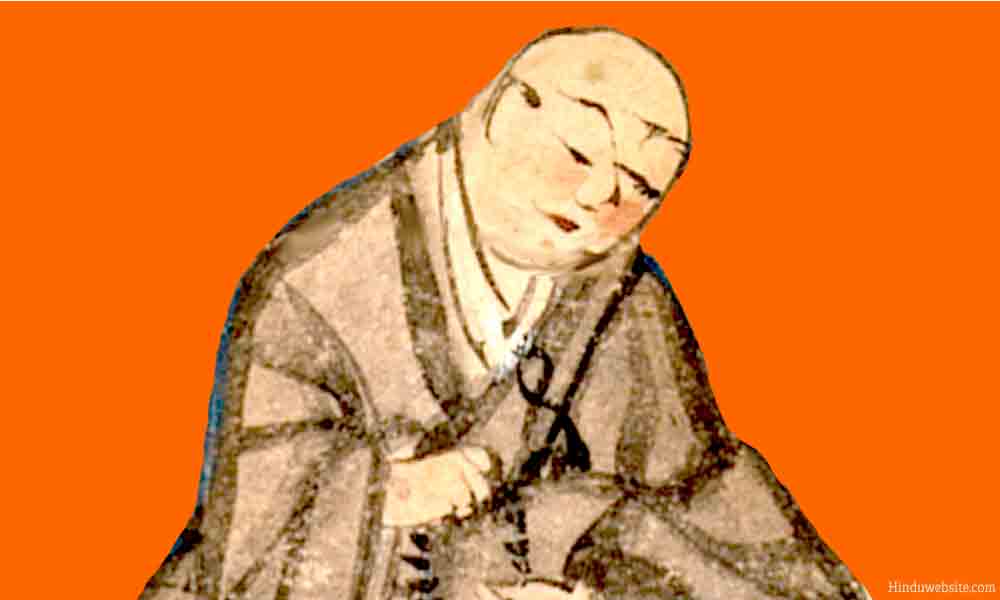
Honen, Pure Land Buddhism, Japan
Prior to the emergence of Mahayana school and its expansion beyond the borders of the Indian subcontinent, Buddhism developed along many paths. After the passing away of the Buddha, for the next few centuries, several schools of Buddhism emerged in in ancient India on account of differences in the interpretation of the teachings of the Buddha.
Although their total number was actually said to be 25 or 26, Buddhist tradition recognizes only 18 early schools formed between 5th century B.C.E and 4th century C.E. Of them presently the Theravada school only survives. The list of the 18 schools is provided below1
In the beginning there were only two schools, the Mahasanghikas and the Sthaviras. The former further split into
- Branch-Mahasanghikas
- Ekavyavaharins
- Lokottaravadins
- Bahusrutiyas
- Nityavadins
- Caityakas
- Purvasailikas
- Uttarasailikas
The Sthaviras were further split into
- Haimavatas
- Sarvastivadins
- Hetuvadins
- Vatsiputriyas
- Dharmadesakas
- Bhadrayanikas
- Sammitiyas
- Bahudesakas
- Dharmadesakas
- Bhadravarsikas
All the eighteen schools are grouped under Sravakayana branch of Hinayana (the smaller vehicle). In course of time there developed in Buddhism four major lines of thought namely the Vaibhasikas, the Sautrantikas, the Yogacaras and the Madhyamikas. The Vaibhasikas, who are also known as "existential dualists" interpreted existential reality in terms of experiential knowledge arising out of contact with substances, some of which they considered as transitory and some as eternal.
The Sautrantikas, who based their knowledge on the sutras, distinguished reality into that which was real and existing and that which was real but non-existing. The acknowledged the existence of phenomenal world but considered it to be transient. The Yogacara school, which is also called the vijnanavada school, held the opinion that the whole world was an ideal. They argued that all phenomena existed because of consciousness and that the illusion of existence was a fabrication of the mind or consciousness alone.
The school recognized various levels or gradations within consciousness created by the activity of the senses and the mind. The Madhyamika philosophy was based on the original teachings of the Buddha and the middle path suggested by him. One of the chief proponents of this school was Nagarjuna whose interpretation of reality borders on skepticism or agnosticism. This school had to major branches, the Svatantrikas and the Prasangikas.
Although there are essentially at present two major branches of Buddhism, namely Mahayana and Hinayana, Buddhism developed several local characteristics in each geographical area where it spread. Thus today Buddhism goes by several names such as Tibetan Buddhism, Burmese Buddhism, Sri Lankan Buddhism, Thai Buddhism, Korean Buddhism, Cambodian Buddhism, Chinese Buddhism, Japanese Buddhism and so on.
Suggestions for Further Reading
- Mahayana Buddhism
- Schools of Buddhism
- Chinese Zen Masters on Zen Buddhism
- Theravada Buddhism
- Japanese Zen Masters
- The History of Buddhism
- A Short History of Buddhism In Myanmar or Burma
- Chinese Buddhism - An Overview
- A Comprehensive History of Chinese Buddhism From the Earliest Times
- Sketch Of The History Of Buddhism In China.
- The Theravada Buddhism Chronology of Significant Events
- The Mahayana Buddhism - Main Features, History and Metaphysics
- Tibetan Buddhism
- The Rock Edicts of King Asoka
- History Of The Four Buddhist Councils
- Buddhism - The Concept of Anatta or No Self
- Anatta or Anatma in Buddhism
- Anicca or Anitya in Buddhism
- The Buddha on God
- The Buddha on Avijja or Ignorance and on the Origin of Life
- The Buddha On the Self And Anatta, the Not-Self
- History Of The Four Buddhist Councils
- Chinese Buddhism
- The Eightfold Path Of Buddhism
- The Four Noble Truths of Buddhism
- Four Stages of Progress on the Middle Way in Buddhism
- The Practice of Friendliness, Kalyanamittata, in Buddhism
- Karma or Kamma In Buddhism
- Mahayana Buddhism
- Buddha's Last Days and Final Words
- Buddhism - The Middle Way
- The Buddha's Teaching on Right Mindfulness
- The Meaning and Practice of Mindfulness
- Buddhism - Vinaya or Monastic Discipline
- Right Conduct For Lay Buddhists
- Nirvana or Nibbana in Buddhism
- Buddhism - Objects of Meditation and Subjects for Meditation
- Buddhism - Right Speech and Mind Training
- Buddhism - Right Living On The Eightfold Path
- Handbook for the Relief of Suffering by Ajaan Lee
- Theravada Buddhism
- Meat Eating or Vegetarianism in Buddhism
- Essays On Dharma
- Esoteric Mystic Hinduism
- Introduction to Hinduism
- Hindu Way of Life
- Essays On Karma
- Hindu Rites and Rituals
- The Origin of The Sanskrit Language
- Symbolism in Hinduism
- Essays on The Upanishads
- Concepts of Hinduism
- Essays on Atman
- Hindu Festivals
- Spiritual Practice
- Right Living
- Yoga of Sorrow
- Happiness
- Mental Health
- Concepts of Buddhism
- General Essays