
The Wisdom of Samkhya Yoga of the Bhagavadgita
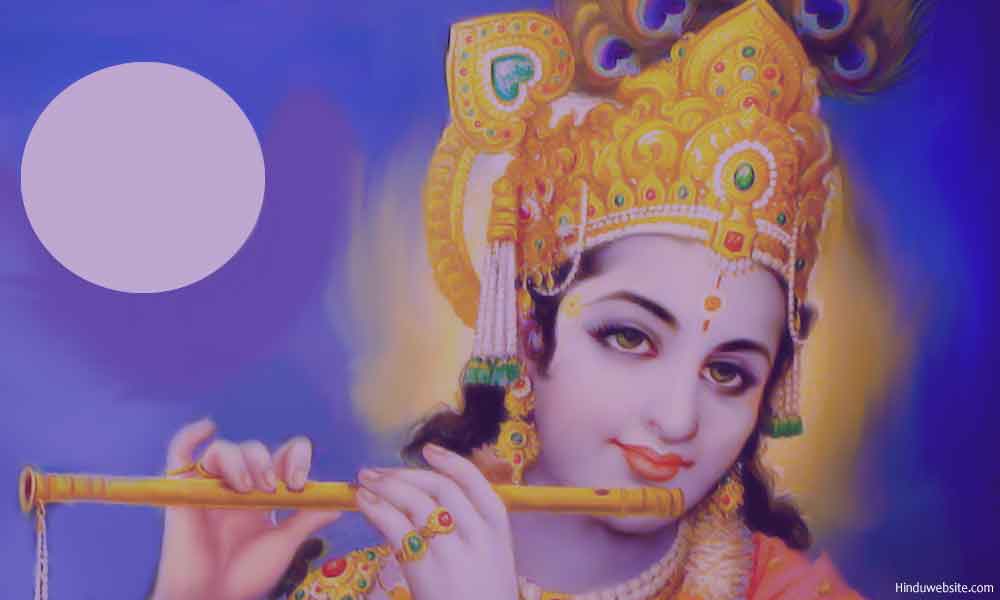
The Second chapter of the Bhagavadgita is known as Samkhya Yoga. It is considered by many to be the summary of the Bhagavadgita, since it contains most important ideas and concepts of the scripture. The Samkhya Yoga of the Bhagavadgita is different from the Samkhya Darshana of Hinduism in many respects. Some believe that the Samkhya Yoga of the Bhagavadgita is a theistic interpretation of the Samkhya School from the perspective of the Vedanta.
The following is a partial translation of the Samkhya Yoga. I wrote a loose commentary on the first 21 Verses several years ago, by jotting down my initial impressions and reflections. These commentaries are different from the commentary I wrote for my Complete Translation of the Bhagavadgita. Although I wrote the commentaries long time back and recently edited them, I wanted to keep them because I believe they are useful for study and contain some important ideas for contemplation and understanding.
Arjuna's Predicament in the Battle Field
Drawing the Ego Into Spiritual Effort
God Helps Those Who Earnestly Seek Help
When You are in Difficulties, Seek Divine Help
How the Ego Manipulates Human Behavior
Spiritual Approach to Resolve Moral Dilemmas
The Best Way to Make Your Prayers Effective
Wealth and Suffering in Human Life
Silence and Spirituality On the Path of Self-realization
The Three Methods of Divine Communication
Suffering Due to Ignorance and Delusion
The Idea of Eternity and Rebirth of Souls
Transience and Duality in the Mortal World
Who are Fit for Liberation and Immortality?
The Reality and Unreality of Our Existence
The Indestructible, Eternal Reality of God
The Distinction Between The Body and the Soul
The Soul Is Like the Road in the Journey of Life
Becoming Aware of Your Spiritual Identity
I write commentaries as a contemplative practice, not to preach anyone. I publish them so that readers may use them as starting point to do their own inquiry. A commentary is always the subjective interpretation of an individual. Its contents depend upon his knowledge and state of mind. A devotee or a scholar seeks what he wants from a scripture, not necessarily what it actually contains, because human beings have a limitation in understanding and interpreting the meaning and significance of the knowledge which is found in a scripture.
One should not overlook that a commentary is still within the realm of human intellect. It is still part of the comentator's mental world. An understanding of a scripture is still an intellectual or spiritual exercise, rather than transcendental. It cannot be equated with any revelation or deeper spiritual experience. These writings should also be treated as such. They represent a point of view, a certain perspective or approach, an offering of little devotion in the sacrifice of knowledge.
Suggestions for Further Reading
- The Samkhya Philosophy and 24 Principles of Creation
- The Bhagavadgita On The Problem Of Sorrow
- The Concept of Atman or Eternal Soul in Hinduism
- The Practice of Atma Yoga Or The Yoga Of Self
- The Problem of Maya Or Illusion and How To Deal With It
- Belief In Atman, The Eternal Soul Or The Inner Self
- Brahman, The Highest God Of Hinduism
- The Bhagavad Gita Original Translations
- The Bhagavadgita, Philosophy and Concepts
- Bhakti yoga or the Yoga of Devotion
- Hinduism And The Evolution of Life And Consciousness
- Why to Study the Bhagavadgita Parts 1 to 4
- The Triple Gunas, Sattva, Rajas and Tamas
- The Practice of Tantra and Tantric Ritual in Hinduism and Buddhism
- The Tradition Of Gurus and Gurukulas in Hinduism
- Origin, Definition and Introduction to Hinduism
- Hinduism, Way of Life, Beliefs and Practices
- A Summary of the Bhagavadgita
- Avatar, the Reincarnation of God Upon Earth
- The Bhagavadgita on Karma, the Law of Actions
- The Mandukya Upanishad
- The Bhagavadgita On The Mind And Its Control
- Symbolic Significance of Numbers in Hinduism
- The Belief of Reincarnation of Soul in Hinduism
- The True Meaning Of Renunciation According To Hinduism
- The Symbolic Significance of Puja Or Worship In Hinduism
- Introduction to the Upanishads of Hinduism
- Origin, Principles, Practice and Types of Yoga
- Hinduism and the Belief in one God
- Essays On Dharma
- Esoteric Mystic Hinduism
- Introduction to Hinduism
- Hindu Way of Life
- Essays On Karma
- Hindu Rites and Rituals
- The Origin of The Sanskrit Language
- Symbolism in Hinduism
- Essays on The Upanishads
- Concepts of Hinduism
- Essays on Atman
- Hindu Festivals
- Spiritual Practice
- Right Living
- Yoga of Sorrow
- Happiness
- Mental Health
- Concepts of Buddhism
- General Essays