Ashtavakra Samhita Chapter 10: Cultivating Vairagya: Dispassion and Detachment
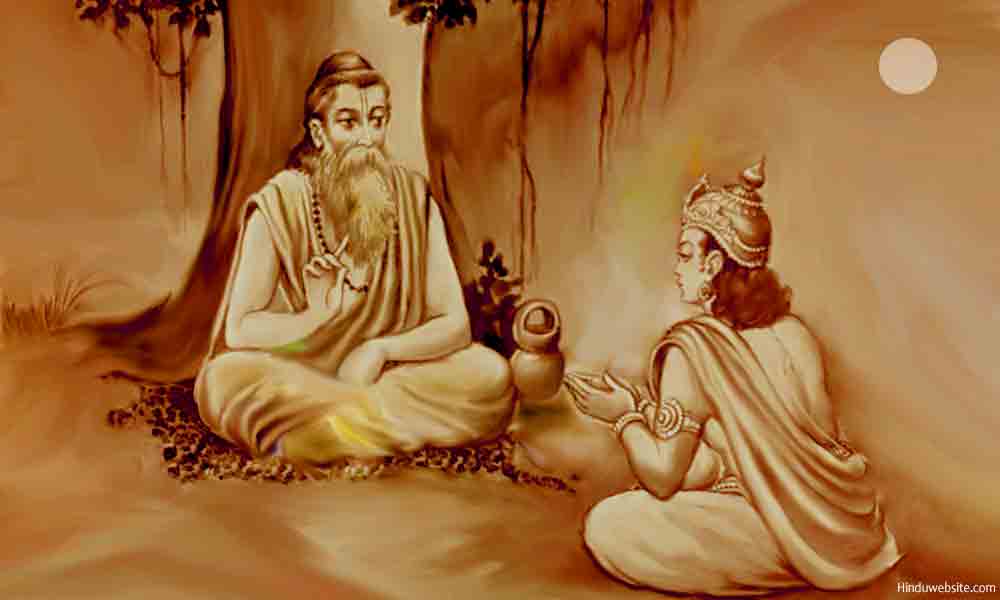
Summary: Chapter 10 teaches that desire is the root of bondage, and that true freedom arises only through vairagya—firm detachment from worldly objects, duties, and emotional ties. Ashtavakra explains that wealth, pleasure, relationships, and possessions inevitably bring suffering because they are impermanent and illusory, like a dream or a magician’s show. He urges the seeker to recognize that wherever desire appears, samsara appears with it. Liberation comes from dissolving desire, not by acquiring or renouncing external things, but by cultivating inner indifference. The chapter emphasizes that the Self is pure intelligence, untouched by the lifeless material universe. Repeatedly, Ashtavakra reminds Janaka that across countless births, people cling to kingdoms, families, bodies, and pleasures—yet lose them again and again. Only through unwavering detachment does one attain lasting joy and freedom.
Click on the links to read commentary
- Verse 1: Desire for worldly enjoyment is an enemy. Wealth is a source of misfortune and suffering. Obligatory duty (dharma) is the cause of both. Give up desire, wealth and duty and be indifferent to them everywher.
- Verse 2: Look upon friends, land, wealth, houses, wives, gifts and such other things as nothing but a dream or a magician’s show which last for three or five days.
- Verse 3: Know that wherever desire manifests, there indeed is samsara. Taking refuge in firm detachment and indifference, you should free yourself from that desire and be happy.
- Verse 4: Having desire is but bondage only. Moksha is said to be its destruction. By the state of detachment only, you will attain constant joy.
- Verse 5: You are one pure intelligence. The material universe is lifeless and unreal. Avidya is also nothing. Therefore, what else do you desire to know?
- Verse 6: Kingdoms, sons, wives, bodies, and pleasures you keep losing birth after birth, even though you are attached to them.