Ashtavakra Samhita Chapter 10 Verse 6 - Impermanence of Worldly Attachments and the Cycle of Samsara
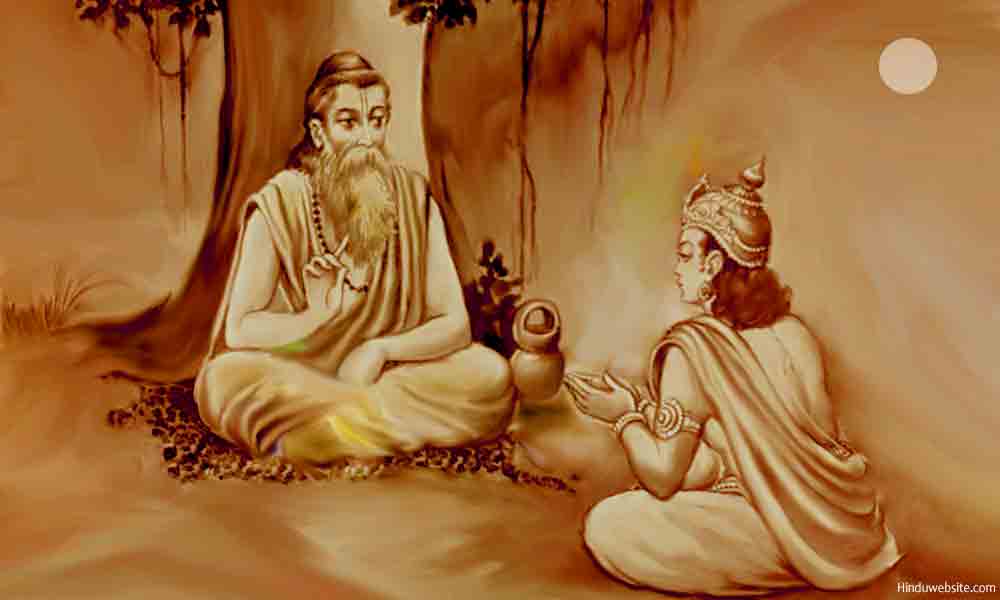
Summary: Kingdoms, sons, wives, bodies, and pleasures you keep losing birth after birth, even though you are attached to them. Wealth, children, a spouse or a female companion, the body, and worldly pleasures are not permanent, although we develop attachments to them. At some point, we are bound to lose them when we are alive or when we leave this world. The Self is always alone (ekaki), although in the embodied state, he forms numerous relationships due to desire and becomes...
Verse 06
raajyam sutaah kalatraani shareeraani sukhaani cha
sa nsaktasyaapi nashtaani tava janmani janmani
Translation
Kingdoms, sons, wives, bodies, and pleasures you keep losing birth after birth, even though you are attached to them.
Wealth, children, a spouse or a female companion, the body, and worldly pleasures are not permanent, although we develop attachments to them. At some point, we are bound to lose them when we are alive or when we leave this world. The Self is always alone (ekaki), although in the embodied state, he forms numerous relationships due to desire and becomes attached to them. For their sake, he pursues desires, bears the burden of karma, and suffers from gain and loss or union and separation. In the end, none of these relationships follow us. We may again meet some of them or develop attachments to the same things in the next life or the next life, but in the end, they all will be gone, leaving us alone to pay our karmic debts. Ignorant people do not learn from these experiences. They keep pursuing worldly pleasures, forming these fleeing relationships, engaging in desire-ridden actions to secure them. In the process, they become bound to them and keep going through the cycle of births and deaths.
The wise ones realize the impermanence of life and the attachments we form. They realize that having desires and attachments is true bondage; because of them, we become stuck in the mortal world, and their destruction is true liberation. Therefore, they give them up and pursue liberation. They look upon all relationships, friends, family, wealth, houses, etc., as Maya’s play or a dream that does not last forever. Realizing that desire (Kama) is the enemy, wealth (Artha) brings misfortune, and obligatory duties (Dharma) are responsible for both, and that their essential nature is the real (sat) and pure intelligence (chetanam), and everything else is inert and unintelligent (jadam) and unreal (asat), they cultivate detachment and become indifferent to everything. By establishing their minds in the Self, they eventually attain the highest state of aloneness (Kaivalyam).
As we have stated before, the Bhagavadgita is essentially addressed to help Karma Yogis or Grihastas (householders) who are engaged in performing their obligatory duties and want to attain liberation by giving up desires and attachments rather than their duties or household responsibilities. Lord Krishna defines renunciation of desires or the desire for the fruit of actions as true renunciation. Ashtavakra Gita is essentially meant for people who want to give up worldly life and practice (renunciation) to attain liberation. Through Jnana and Sannyasa Yogas. The sage does not emphasize the importance of obligatory duties or devotional practices in liberation as much as the pursuit of self-knowledge, austerities, self-control, contemplative practices, control of desires, attachments, etc.