Why Does The Bhagavadgita Begin With A Chapter On Sorrow?
Bhagavadgita Wisdom Index Page
Summary: The author explains why the first chapter in the Bhagavadgita is about sorrow and what is the significance of sorrow in human life
Notes: I have translated the Bhagavad Gita three times. The first one was a loose translation. The second one was a word-to-word translation in 2013 with detailed commentary. The third attempt was made in 2025, rewriting the 2013 commentary entirely. The writings in this section are different from the commentary I wrote. Here, I intend to share with you, occasionally, my reflections on the knowledge, philosophy, and wisdom of the Bhagavad Gita from a spiritual perspective as a long series. Jayaram V
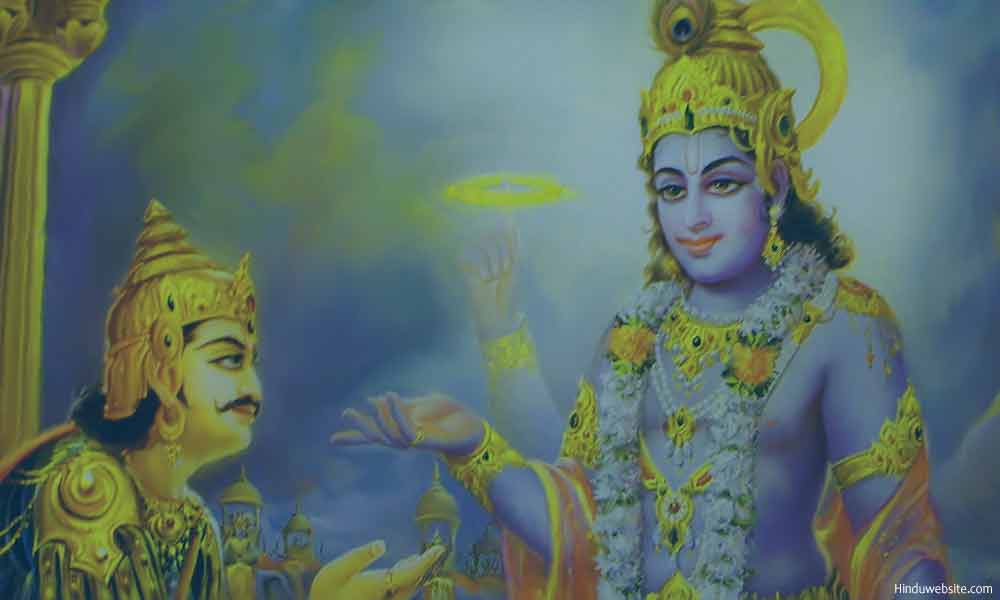
The first chapter in the Bhagavadgita is titled, Arjuna Vishada Yoga, which means the state of Arjuna's sorrow. In Sanskrit, yoga means not only a technique or system of knowledge but also a state of mind or a condition. In fact, every chapter in the Bhagavadgita is about some yoga. The Bhagavadgita begins with sorrow, which is the condition of life upon earth.
Suffering is hidden in our existence, because we are subject to impermanence, aging, sickness and death. Buddha's journey to enlightenment began with his realization that the world was filled with sorrow. Many people turn to spirituality to cope with the suffering in their lives. Everyone who lives here suffers. There are no exceptions. All living beings suffer because their bodies are vulnerable to pain and suffering, while their minds, if they have, are subject to emotions and feelings.
We not only suffer but also create suffering for ourselves and others. Without your knowledge, you may be causing suffering to lot of beings, by hoarding things that you do not need, by consuming food for which lives might have been sacrificed or people might have been exploited, by supporting or promoting a wrong cause, or by tolerating evil in society simply because you are not directly affected by it. Our scriptures say we must have compassion for everyone since no one is free from the sorrows of life. Sorrow is a result of karma. Your sorrow and suffering may produce more suffering for yourself and others.
When you suffer, you have a choice: you can suffer and keep blaming yourself and others for it or you can learn from it and move on. Spiritually, your sorrow can be an eye opener, or a starting point for your liberation. When you have sorrow, you should think and ask yourself, "Why have I created this situation? What lessons I have to learn here to improve myself or the situation?"
This is the first step to wisdom. If you believe in karma, you should know that you are responsible for what happens in your life. Your suffering is an indication that your life is not happening the way it should. Therefore, when you have problems and suffering, you should look for solutions from within, instead of blaming others: your parents, relations, friends, spouse, your colleagues, the government or your employers.
Your intelligence (buddhi) is your teacher and you must use it to find out answers to your problems. You must trust your own instincts. The starting point of wisdom is sorrow and the Bhagavadgita symbolically suggests it by beginning the discourse with a chapter on sorrow