
What is Right Speech and How to Practice it?
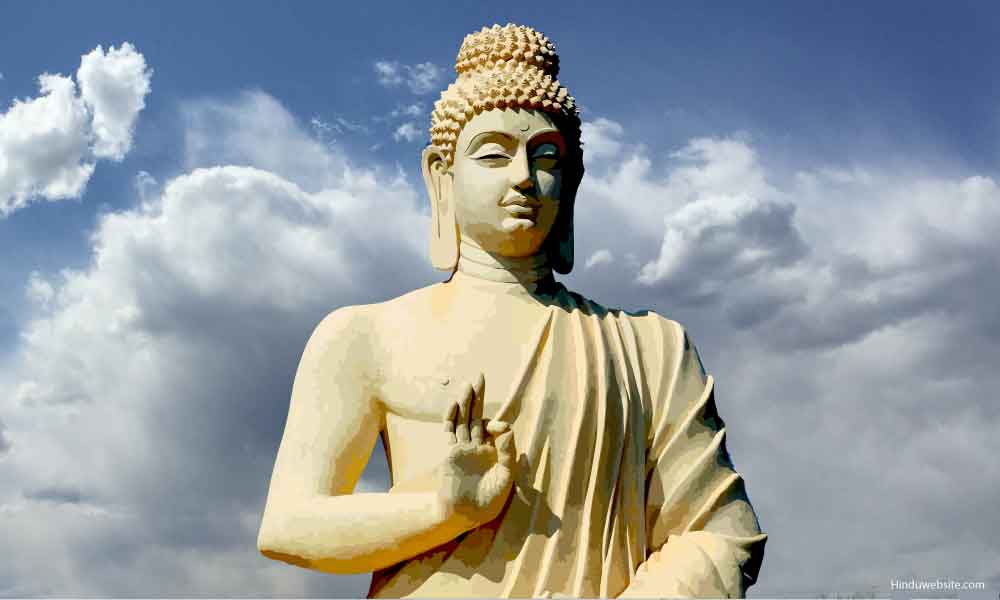
"And what is right speech? Abstaining from lying, from divisive speech, from abusive speech, & from idle chatter: This is called right speech." — Samyutta Nikaya XLV.8
Right Speech Means
Right Speech means to abstain from lying, tale-carrying, use of harsh language and vain talk. The person who follows right speech speaks the truth, is devoted to it, is reliable and does not deceive men. Whenever he was asked to be a witness, he tells only the truth he knows or admits his ignorance of it honestly.
He never speaks a lie either for his own benefit or for that of others. He refrains from carrying tales. He never repeats what he heard at one place so as to cause differences among men. Thus he reunites the people who are divided or strengthens the unity of those that are united.
He is happy to see agreement and harmony among people and these are the qualities which he spreads among people through his words. He does not speak harsh language. He speaks words that are gentle, soothing to hear, loving, touching the heart, courteous, affectionate and agreeable to many.
He does not indulge in vain talk. He speaks at the right time, the facts he knows, only that which is useful, about the Dhamma and the discipline. His speech is very precious like a treasure, coming at the right moment followed by moderate and sensible arguments.
This is the right speech.
Two Kinds of Right speech
1. The Mundane Right Speech which is to abstain from lying, tale-carrying, harsh language and vain talk. It leads to worldly gains and brings good results.
2. The Ultra Mundane Right Speech is abhorrence of the four-fold wrong speech and abstaining from it, practicing it mentally and keeping the mind holy, to remain other worldly and to follow the holy path in conjunction with the Eightfold path. This path is not of this world, but ultra mundane
Five keys to right speech
"Monks, a statement endowed with five factors is well-spoken, not ill-spoken. It is blameless & unfaulted by knowledgeable people. Which five?
"It is spoken at the right time. It is spoken in truth. It is spoken affectionately. It is spoken beneficially. It is spoken with a mind of good-will." Anguttara Nikaya 5.198
What words you should speak
"One should speak only that word by which one would not torment oneself nor harm others. That word is indeed well spoken.
"One should speak only pleasant words, words which are acceptable (to others). What one speaks without bringing evils to others is pleasant."
Putting Right Speech to Practice
"And how is one made pure in four ways by verbal action?
"There is the case where a certain person, abandoning false speech, abstains from false speech. When he has been called to a town meeting, a group meeting, a gathering of his relatives, his guild, or of the royalty, if he is asked as a witness, 'Come & tell, good man, what you know': If he doesn't know, he says, 'I don't know.' If he does know, he says, 'I know.' If he hasn't seen, he says, 'I haven't seen.' If he has seen, he says, 'I have seen.' Thus he doesn't consciously tell a lie for his own sake, for the sake of another, or for the sake of any reward. Abandoning false speech, he abstains from false speech. He speaks the truth, holds to the truth, is firm, reliable, no deceiver of the world.
"Abandoning divisive speech he abstains from divisive speech. What he has heard here he does not tell there to break those people apart from these people here. What he has heard there he does not tell here to break these people apart from those people there. Thus reconciling those who have broken apart or cementing those who are united, he loves concord, delights in concord, enjoys concord, speaks things that create concord.
"Abandoning abusive speech, he abstains from abusive speech. He speaks words that are soothing to the ear, that are affectionate, that go to the heart, that are polite, appealing & pleasing to people at large.
"Abandoning idle chatter, he abstains from idle chatter. He speaks in season, speaks what is factual, what is in accordance with the goal, the Dhamma, & the Vinaya. He speaks words worth treasuring, seasonable, reasonable, circumscribed, connected with the goal.
"This is how one is made pure in four ways by verbal action."
- Anguttara Nikaya X.176
Self-purification through well-chosen speech
"And how is one made pure in four ways by verbal action?
"There is the case where a certain person, abandoning false speech, abstains from false speech. When he has been called to a town meeting, a group meeting, a gathering of his relatives, his guild, or of the royalty, if he is asked as a witness, 'Come & tell, good man, what you know': If he doesn't know, he says, 'I don't know.' If he does know, he says, 'I know.' If he hasn't seen, he says, 'I haven't seen.' If he has seen, he says, 'I have seen.' Thus he doesn't consciously tell a lie for his own sake, for the sake of another, or for the sake of any reward. Abandoning false speech, he abstains from false speech. He speaks the truth, holds to the truth, is firm, reliable, no deceiver of the world.
"Abandoning divisive speech he abstains from divisive speech. What he has heard here he does not tell there to break those people apart from these people here. What he has heard there he does not tell here to break these people apart from those people there. Thus reconciling those who have broken apart or cementing those who are united, he loves concord, delights in concord, enjoys concord, speaks things that create concord.
"Abandoning abusive speech, he abstains from abusive speech. He speaks words that are soothing to the ear, that are affectionate, that go to the heart, that are polite, appealing & pleasing to people at large.
"Abandoning idle chatter, he abstains from idle chatter. He speaks in season, speaks what is factual, what is in accordance with the goal, the Dhamma, & the Vinaya. He speaks words worth treasuring, seasonable, reasonable, circumscribed, connected with the goal.
"This is how one is made pure in four ways by verbal action."
— Anguttara Nikaya 10.176
Kinds of speech to be avoided by contemplatives
"Whereas some priests and contemplatives, living off food given in faith, are addicted to talking about lowly topics such as these — talking about kings, robbers, ministers of state; armies, alarms, and battles; food and drink; clothing, furniture, garlands, and scents; relatives; vehicles; villages, towns, cities, the countryside; women and heroes; the gossip of the street and the well; tales of the dead; tales of diversity [philosophical discussions of the past and future], the creation of the world and of the sea, and talk of whether things exist or not — he abstains from talking about lowly topics such as these. This, too, is part of his virtue.
"Whereas some priests and contemplatives, living off food given in faith, are addicted to debates such as these — 'You understand this doctrine and discipline? I'm the one who understands this doctrine and discipline. How could you understand this doctrine and discipline? You're practicing wrongly. I'm practicing rightly. I'm being consistent. You're not. What should be said first you said last. What should be said last you said first. What you took so long to think out has been refuted. Your doctrine has been overthrown. You're defeated. Go and try to salvage your doctrine; extricate yourself if you can!' — he abstains from debates such as these. This, too, is part of his virtue."
— Digha Nikaya 2
Ten wholesome topics of conversation
"There are these ten topics of [proper] conversation. Which ten? Talk on modesty, on contentment, on seclusion, on non-entanglement, on arousing persistence, on virtue, on concentration, on discernment, on release, and on the knowledge & vision of release. These are the ten topics of conversation. If you were to engage repeatedly in these ten topics of conversation, you would outshine even the sun & moon, so mighty, so powerful — to say nothing of the wanderers of other sects."
— Anguttara Nikaya 10.69
How to admonish another skillfully
"O bhikkhus, a bhikkhu who desires to admonish another should do so after investigating five conditions in himself and after establishing five other conditions in himself. What are the five conditions which he should investigate in himself?
[1] "Am I one who practices purity in bodily action, flawless and untainted...?
[2] "Am I one who practices purity in speech, flawless and untainted...?
[3] "Is the heart of goodwill, free from malice, established in me towards fellow-farers in the holy life...?
[4] "Am I or am I not one who has heard much, who bears in mind what he has heard, who stores up what he has heard? Those teachings which are good alike in their beginning, middle, and ending, proclaiming perfectly the spirit and the letter of the utterly purified holy life — have such teachings been much heard by me, borne in mind, practiced in speech, pondered in the heart and rightly penetrated by insight...?
[5] "Are the Patimokkhas [rules of conduct for monks and nuns] in full thoroughly learned by heart, well-analyzed with thorough knowledge of their meanings, clearly divided sutta by sutta and known in minute detail by me...?
"These five conditions must be investigated in himself.
"And what other five conditions must be established in himself?
[1] "Do I speak at the right time, or not?
[2] "Do I speak of facts, or not?
[3] "Do I speak gently or harshly?
[4] "Do I speak profitable words or not?
[5] "Do I speak with a kindly heart, or inwardly malicious?
&"O bhikkhus, these five conditions are to be investigated in himself and the latter five established in himself by a bhikkhu who desires to admonish another."
— Anguttara Nikaya V (From The Patimokkha, Ñanamoli Thera, trans.)
Suggestions for Further Reading
- Buddhism - The Concept of Anatta or No Self
- Anatta or Anatma in Buddhism
- Anicca or Anitya in Buddhism
- The Buddha on God
- The Buddha on Avijja or Ignorance and on the Origin of Life
- The Buddha On the Self And Anatta, the Not-Self
- History Of The Four Buddhist Councils
- Chinese Buddhism
- The Eightfold Path Of Buddhism
- The Four Noble Truths of Buddhism
- Four Stages of Progress on the Middle Way in Buddhism
- The Practice of Friendliness, Kalyanamittata, in Buddhism
- Karma or Kamma In Buddhism
- Mahayana Buddhism
- Buddha's Last Days and Final Words
- Buddhism - The Middle Way
- The Buddha's Teaching on Right Mindfulness
- The Meaning and Practice of Mindfulness
- Buddhism - Vinaya or Monastic Discipline
- Right Conduct For Lay Buddhists
- Nirvana or Nibbana in Buddhism
- Buddhism - Objects of Meditation and Subjects for Meditation
- Buddhism - Right Speech and Mind Training
- Buddhism - Right Living On The Eightfold Path
- Handbook for the Relief of Suffering by Ajaan Lee
- Theravada Buddhism
- Meat Eating or Vegetarianism in Buddhism
- Essays On Dharma
- Esoteric Mystic Hinduism
- Introduction to Hinduism
- Hindu Way of Life
- Essays On Karma
- Hindu Rites and Rituals
- The Origin of The Sanskrit Language
- Symbolism in Hinduism
- Essays on The Upanishads
- Concepts of Hinduism
- Essays on Atman
- Hindu Festivals
- Spiritual Practice
- Right Living
- Yoga of Sorrow
- Happiness
- Mental Health
- Concepts of Buddhism
- General Essays