
Buddha's Teachings on the Practice of Right Effort
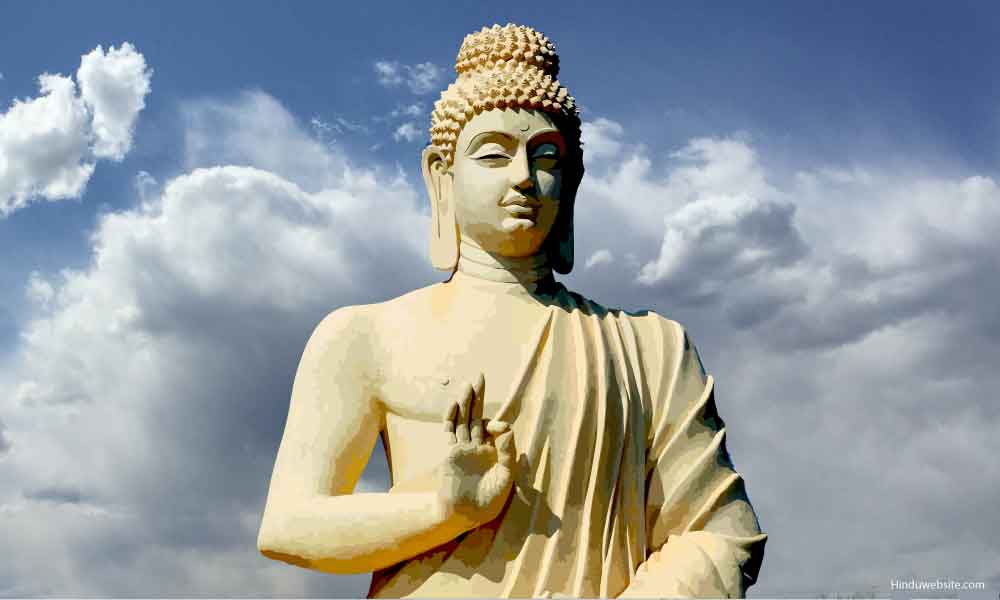
In Buddhism right effort is closely linked to karma and its overall effect on the birth and rebirth of individual beings. In Buddhism, right effort involves avoiding and suppressing evil tendencies and cultivating right attitude that promotes the flowering of Buddha nature. The Buddha identified four types of right effort, the effort to avoid wrong actions, the effort to overcome evil actions, the effort to develop good conduct conducive to the practice of Dhamma and the effort to maintain the perfection that is already cultivated on the Eightfold path. The following are a few excerpts on right effort from the teachings of the Buddha.
The Buddha suggested four strategies to create and sustain conditions for the practice of right effort. They are: prevention or avoidance, suppression or overcoming, preparation or developing and preservation or maintenance
He explained them in his own words, which are stated below.
What is Right Effort?
"And what, monks, is right effort?
[i] "There is the case where a monk generates desire, endeavors, activates persistence, upholds & exerts his intent for the sake of the non-arising of evil, unskillful qualities that have not yet arisen.
[ii] "He generates desire, endeavors, activates persistence, upholds & exerts his intent for the sake of the abandonment of evil, unskillful qualities that have arisen.
[iii] "He generates desire, endeavors, activates persistence, upholds & exerts his intent for the sake of the arising of skillful qualities that have not yet arisen.
[iv] "He generates desire, endeavors, activates persistence, upholds & exerts his intent for the maintenance, non-confusion, increase, plenitude, development, & culmination of skillful qualities that have arisen: This, monks, is called
Right Effort consists of the Four Great Efforts: the effort to avoid, to overcome, to develop, and to maintain.
I. The effort to avoid
It consists of avoiding the arising of evil and worthless things, and such things that are yet to come. Such an effort involves striving, putting forth ones energy, straining ones mind and struggling. Thus when a disciples comes into contact with an object through his senses, he neither clings to its whole nor to its parts. He persistently pushes away that through which evil and worthless things, greed and sorrow arise when his senses are unguarded.
He keeps a strict watch on his senses and restrains them. With such a control over his senses, he experiences inward joy which no evil can penetrate. Possessed of this noble "Control over the Senses," he experiences inwardly a feeling of joy, into which no evil thing can enter. This is called the effort to avoid.
II. The effort to Overcome
It consists of inciting the mind to overcome evil and sinful things that are already there. In this effort he strives, puts forth his energy, strains his mind and struggles. He expels all thoughts of sensual lust, feelings of ill-will, grief, or any other evil or sinful states that may have arisen. By his efforts he abandons them, dispels them, destroys them and makes them disappear.
The Five Methods of Expelling Evil Thoughts
How he drives away sinful thoughts and makes them disappear during the effort to overcome is described below.
1. If, a certain object is responsible for some evil or sinful thought connected with greed, anger and delusion, then the disciple by means of this object should gain another wholesome object.
2. He should reflect upon such thoughts as unwholesome, blamable or painful.
3. He should not pay any attention to such thoughts.
4. He should consider the compound nature of these thoughts.
5. With clenched teeth and pressing tongue against the gums, he should mentally restrain, suppress and root out such thoughts.
When the disciple practices these five methods, the evil and demeritorious thoughts of greed, anger and delusion will dissolve and disappear. The mind would turn inwardly and become settled and calm, composed and concentrated.
In this effort the disciple strives to create in himself meritorious conditions that have not yet arisen. He strives, spends his energy, strains his mind and struggle to achieve this. Through solitude, detachment, extinction of all desires and deliverance from birth and rebirth, he develops the "Elements of Enlightenment" namely, Attentiveness, an Enquiry into the Law, Energy, Bliss, Tranquility, Concentration and Equanimity. This is known as the effort to develop.
IV. The effort to Maintain
In this the disciple strives his will to maintain the meritorious conditions that are already in existence, so that they would not disappear but would grow, mature and reach the stage of full perfection. To achieve this he strives, spends his energy, strains his mind and struggles.
Right Effort
Right Effort consists of the Four Great Efforts: the effort to avoid, to overcome, to develop, and to maintain.
I. The effort to avoid
It consists of avoiding the arising of evil and worthless things, and such things that are yet to come. Such an effort involves striving, putting forth ones energy, straining ones mind and struggling. Thus when a disciples comes into contact with an object through his senses, he neither clings to its whole nor to its parts. He persistently pushes away that through which evil and worthless things, greed and sorrow arise when his senses are unguarded.
He keeps a strict watch on his senses and restrains them. With such a control over his senses, he experiences inward joy which no evil can penetrate. Possessed of this noble "Control over the Senses," he experiences inwardly a feeling of joy, into which no evil thing can enter. This is called the effort to avoid.
II. The effort to Overcome
It consists of inciting the mind to overcome evil and sinful things that are already there. In this effort he strives, puts forth his energy, strains his mind and struggles. He expels all thoughts of sensual lust, feelings of ill-will, grief, or any other evil or sinful states that may have arisen. By his efforts he abandons them, dispels them, destroys them and makes them disappear.
The Five Methods of Expelling Evil Thoughts:
How he drives away sinful thoughts and makes them disappear during the effort to overcome is described below.
1. If, a certain object is responsible for some evil or sinful thought connected with greed, anger and delusion, then the disciple by means of this object should gain another wholesome object.
2. He should reflect upon such thoughts as unwholesome, blamable or painful.
3. He should not pay any attention to such thoughts.
4. He should consider the compound nature of these thoughts.
5. With clenched teeth and pressing tongue against the gums, he should mentally restrain, suppress and root out such thoughts.
When the disciple practices these five methods, the evil and demeritorious thoughts of greed, anger and delusion will dissolve and disappear. The mind would turn inwardly and become settled and calm, composed and concentrated.
III. The effort to Develop.
In this effort the disciple strives to create in himself meritorious conditions that have not yet arisen. He strives, spends his energy, strains his mind and struggle to achieve this. Through solitude, detachment, extinction of all desires and deliverance from birth and rebirth, he develops the "Elements of Enlightenment" namely, Attentiveness, an Enquiry into the Law, Energy, Bliss, Tranquility, Concentration and Equanimity. This is known as the effort to develop.
IV. The effort to Maintain
In this the disciple strives his will to maintain the meritorious conditions that are already in existence, so that they would not disappear but would grow, mature and reach the stage of full perfection. To achieve this he strives, spends his energy, strains his mind and struggles.
Suggestions for Further Reading
- Buddhism - The Concept of Anatta or No Self
- Anatta or Anatma in Buddhism
- Anicca or Anitya in Buddhism
- The Buddha on God
- The Buddha on Avijja or Ignorance and on the Origin of Life
- The Buddha On the Self And Anatta, the Not-Self
- History Of The Four Buddhist Councils
- Chinese Buddhism
- The Eightfold Path Of Buddhism
- The Four Noble Truths of Buddhism
- Four Stages of Progress on the Middle Way in Buddhism
- The Practice of Friendliness, Kalyanamittata, in Buddhism
- Karma or Kamma In Buddhism
- Mahayana Buddhism
- Buddha's Last Days and Final Words
- Buddhism - The Middle Way
- The Buddha's Teaching on Right Mindfulness
- The Meaning and Practice of Mindfulness
- Buddhism - Vinaya or Monastic Discipline
- Right Conduct For Lay Buddhists
- Nirvana or Nibbana in Buddhism
- Buddhism - Objects of Meditation and Subjects for Meditation
- Buddhism - Right Speech and Mind Training
- Buddhism - Right Living On The Eightfold Path
- Handbook for the Relief of Suffering by Ajaan Lee
- Theravada Buddhism
- Meat Eating or Vegetarianism in Buddhism
- Essays On Dharma
- Esoteric Mystic Hinduism
- Introduction to Hinduism
- Hindu Way of Life
- Essays On Karma
- Hindu Rites and Rituals
- The Origin of The Sanskrit Language
- Symbolism in Hinduism
- Essays on The Upanishads
- Concepts of Hinduism
- Essays on Atman
- Hindu Festivals
- Spiritual Practice
- Right Living
- Yoga of Sorrow
- Happiness
- Mental Health
- Concepts of Buddhism
- General Essays