Creating a Beautiful Home: A Practical Guide
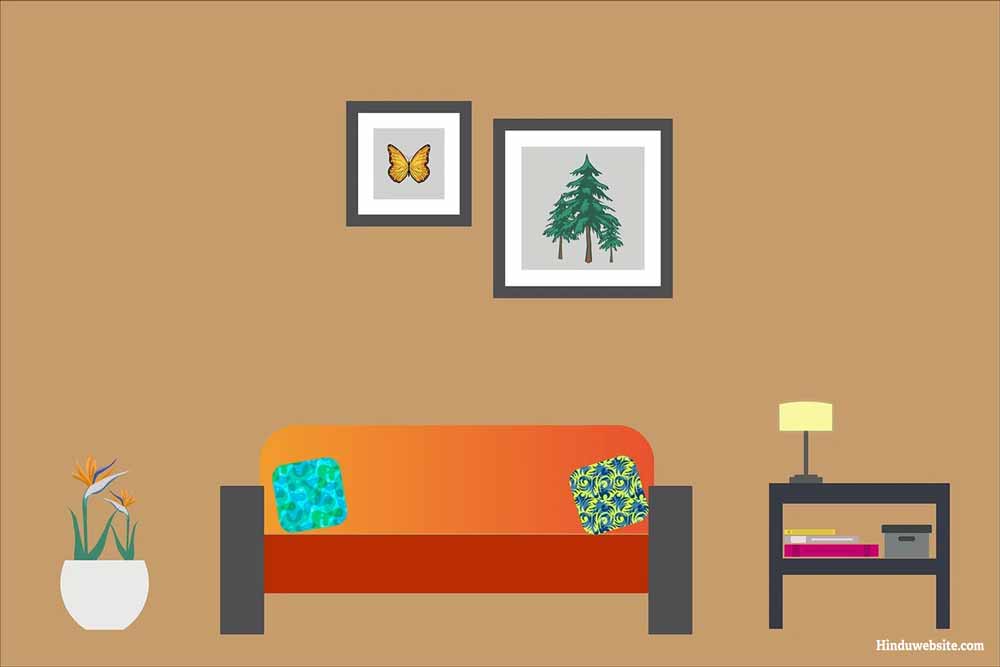
Summary: Discover practical home design tips and interior decorating ideas to transform your living space. From furniture selection to lighting and color schemes, learn how to create a home that reflects your personality and lifestyle.
Designing your home is one of the most rewarding creative projects you will ever undertake. Whether you are moving into a new space, renovating a room, or simply looking to refresh tired surroundings, good interior design can transform the way your home looks, feels, and functions. You do not need a professional designer or an unlimited budget to achieve beautiful results. With the right approach, the right tools, and a clear sense of your own taste, creating a home that reflects your personality is entirely within reach.
Start With a Vision
Every successful home design begins with a vision. Before you buy a single item or pick up a paintbrush, spend time thinking about the atmosphere you want to create. Do you prefer clean, minimalist spaces with neutral tones, or do you gravitate toward warm, layered interiors rich with color and texture? Collect inspiration from design magazines, websites, and social media boards. Pay attention to the common threads — the colors, materials, and styles that appear repeatedly in the images you love. That pattern is your design direction.
Choose a Color Palette
Color is the most powerful tool in any interior designer's kit. A well-chosen color palette can make a small room feel larger, a dark room feel lighter, and a cluttered room feel more orderly. Start with a base of two or three neutral tones — whites, warm grays, or soft beiges work well in most spaces. Then introduce accent colors through soft furnishings, wall art, and accessories. Area rugs, throw pillows, curtains, and decorative cushions are excellent low-commitment ways to bring color into a room without repainting walls. [AMAZON: throw pillows, decorative cushions, area rugs]
Furniture Selection and Arrangement
Good furniture is the backbone of any room. When choosing pieces, prioritize quality and scale. Oversized sofas or beds can overwhelm a small space, while undersized furniture in a large room looks lost. Measure your space carefully before purchasing and use masking tape on the floor to map out furniture placement before anything arrives. For living rooms, arrange seating to encourage conversation rather than simply pointing everything at the television. A well-positioned sofa, coffee table, and reading chair create a sense of intimacy and purpose. [AMAZON: coffee tables, accent chairs, bookshelves]
Lighting Makes the Difference
Lighting is frequently the most overlooked element of home design, yet it can make or break a room. Rely on layered lighting — ambient lighting for general illumination, task lighting for reading and work areas, and accent lighting to highlight artwork or architectural features. Floor lamps and table lamps add warmth that overhead lighting rarely achieves. Replacing a single harsh ceiling fixture with a softer pendant light or a cluster of warm Edison bulbs can instantly transform a room's character. [AMAZON: floor lamps, table lamps, LED smart bulbs, pendant lights]
Storage and Organization
Beautiful homes are organized homes. Clutter is the enemy of good design, and no amount of expensive furniture or stylish accessories will compensate for visual chaos. Invest in smart storage solutions — floating shelves, woven baskets, ottomans with hidden compartments, and modular shelving units that serve both functional and decorative purposes. In kitchens and bathrooms, drawer organizers and cabinet inserts make everyday routines smoother and spaces easier to maintain. [AMAZON: storage baskets, shelf organizers, under-bed storage, drawer dividers]
Personal Touches Are Everything
The final layer of any home design is the personal one. Family photographs in coordinating frames, a collection of meaningful objects on a shelf, a stack of favorite books on a side table — these details communicate personality and make a house feel genuinely lived in. Do not rush this stage. Allow your home to evolve over time, adding pieces gradually rather than filling every surface at once. The homes that feel most beautiful are those that have been curated slowly, with intention and care.
Interior design is ultimately an expression of how you want to live. Take your time, trust your instincts, and enjoy the process of shaping a space that feels entirely your own.
This article was written with AI assistance and reviewed for accuracy. Image for the topic of this page created with images from Pixabay.
Affiliate Disclosure
Some links on this page are affiliate links, which means we may earn a commission if you make a purchase through them, at no additional cost to you. The presence of affiliate links does not constitute an endorsement, approval, or recommendation of any product, service, or seller by Hinduwebsite.com, and you should perform your own due diligence before making any purchase. Contact the external site for any answers to your questions regarding their products and services.