Great Systems of Yoga, Index Page
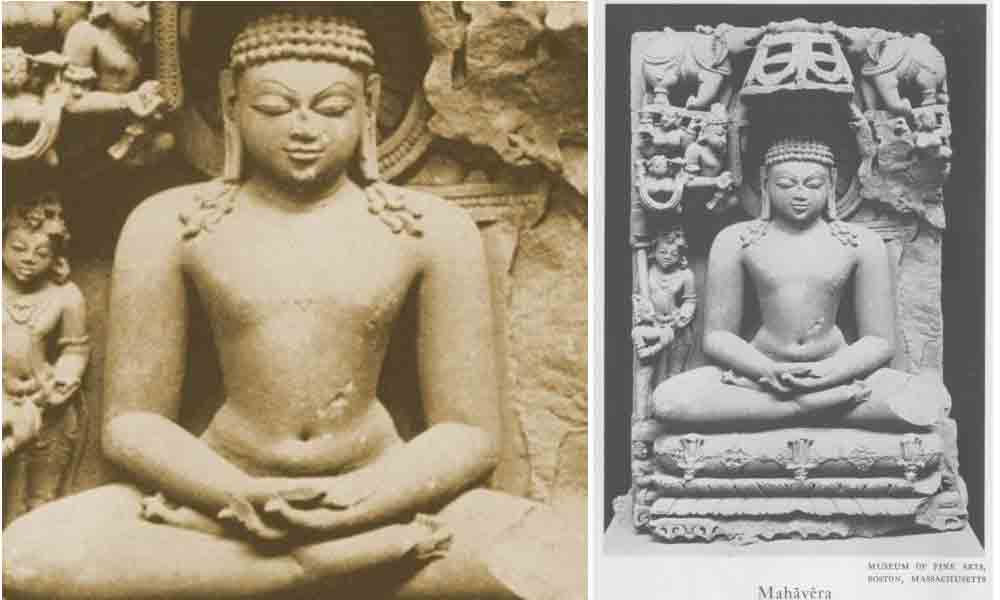
Summary: Ernest Wood’s The Great Systems of Yoga presents a structured, accessible survey of ten major Eastern yogic traditions, drawing on his decades of study and residence in India. He begins by explaining yoga as a practical introspective psychology aimed at strengthening thought, emotion, and will, enabling modern individuals to meet life’s pressures with inner steadiness. Wood outlines seven classical Hindu yogas—Raja, Karma, Buddhi, Jnana, Hatha, Laya, Bhakti, and Mantra—along with Sufi, Buddhist, and Zen approaches, showing how each system cultivates mastery of mind and harmonious living. A major portion of the book is devoted to Patanjali’s Raja Yoga, detailing the kleshas, ethical foundations, and the eightfold discipline of posture, breath, sense-withdrawal, concentration, meditation, and contemplation. Throughout, Wood emphasizes that yoga is not escapism or occult display but a disciplined awakening of human potential, integrating ethical clarity, mental strength, and spiritual insight for a balanced, purposeful life.
Source:Reproduced from The Great Systems of Yoga by Ernest Wood, 1954. This text is in the public domain in the United States because its copyright was not renewed in a timely manner at the U.S. Copyright Office. The content of the original work has not been altered. However, it has been organized and reformatted for Hinduwebsite.com by Jayaram V to meet web standards. Although every effort has been made to reproduce the text accurately, we cannot guarantee its complete correctness. These files may be used for any non‑commercial purpose, provided this Notice of Attribution remains intact in all copies.