Ashtavakra Samhita Chapter 8: The Nature of Bondage and Liberation
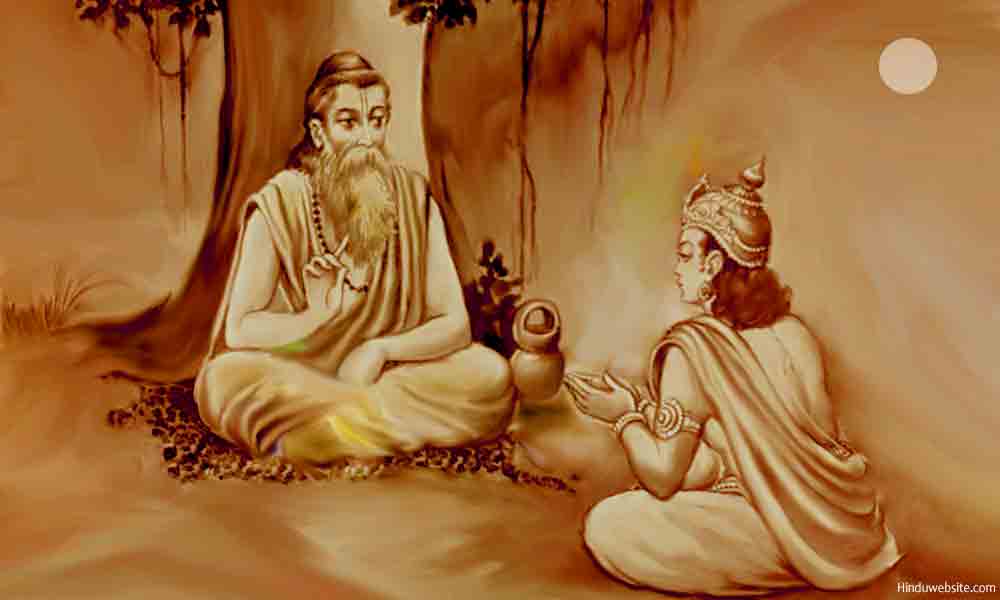
Summary: Chapter 8 contains 4 verses defining the subtle distinction between bondage and liberation. Ashtavakra teaches that bondage occurs when the mind desires, grieves, rejects, accepts, or feels joy or anger even a little. Liberation arises when the mind is free from all these movements. When the mind is drawn to sense experiences, it is bondage; when disinterested in all sense objects, it is liberation. The presence of ego-sense (aham) is bondage; its absence is liberation. Understanding this, one naturally transcends both acceptance and rejection.
Note: Click on the links to read commentary
- Verse 1: Ashtavakra said, “When the mind desires even a little, grieves even a little, rejects even a little, accepts even a little, feels joy or anger even a little, then it is bondage.”
- Verse 2: When the mind neither desires nor grieves, neither rejects nor accepts, feels neither joy nor anger, then it is liberation.
- Verse 3: When the mind is drawn to any sense experience, then it is bondage. When it is disinterested in all sense experiences, then it is liberation.
- Verse 4: When there is no aham (egosense), then it is liberation, but when there is aham, then it is bondage. Thinking thus, without any difficulty you shall neither accept nor rejecting anything.