Ashtavakra Samhita Chapter 5: The Four Ways of Liberation
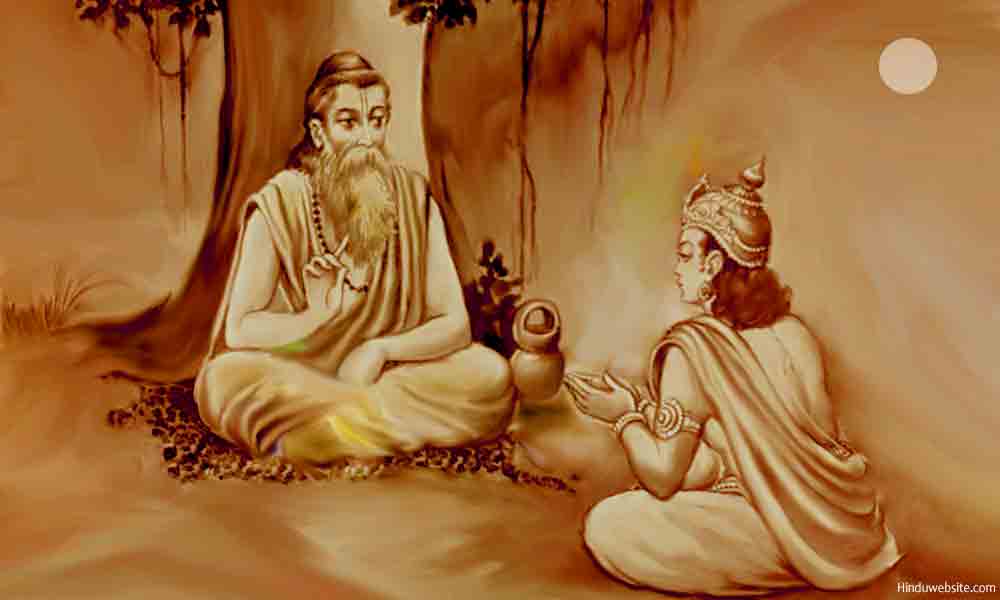
Summary: Chapter 5 outlines four distinct yet harmonious ways to attain final dissolution (moksha). Ashtavakra teaches that liberation does not depend on external renunciation but on recognizing the Self’s freedom from all associations. He explains that the world arises from the Self just as bubbles arise from the ocean; knowing this unity dissolves bondage. The chapter emphasizes that the universe is unreal in the Self, appearing only through ignorance—like mistaking a rope for a snake. Finally, Ashtavakra describes the liberated person as one who remains equal in pleasure and pain, fulfilled in all circumstances, and free from hope and despair. Such equanimity itself becomes a direct path to dissolution.
Note: Click on the links to read commentary
- Verse 1: Ashtavakra said, “What do you want to renounce when you are not associated with anything at all? Ending your worldly attachments, in this way you can attain the final dissolution.”
- Verse 2: All this manifest just as the bubbles happen to arise from the ocean. Thus, knowing that the Self is verily one, in this way also you can attain the final dissolution.
- Verse 3: Being unreal, all this that you see does not really exist in you who are pure. Knowing thus that it appears just as a snake appears in the rope, in this way also you can attain final dissolution.
- Verse 4: Equal in pain and pleasure, completely fulfilled, equal in hope and despair, and in life and death, being thus, in this way also you can attain final dissolution.