Ashtavakra Samhita Chapter 3: The All-Pervading Self
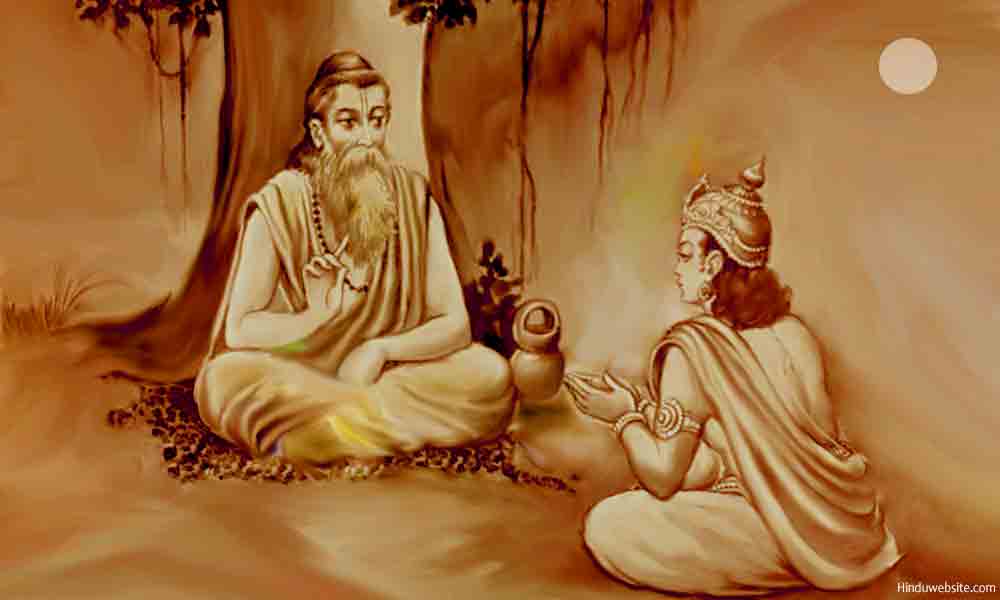
Summary:This chapter teaches Janaka the nature of the Self as infinite, indivisible, and ever‑pure. Ashtavakra repeatedly asks why someone who knows the Self would still chase wealth, pleasure, ownership, or fear death. Using vivid metaphors — like mistaking mother‑of‑pearl for silver — he explains how ignorance creates attachment, desire, and delusion. The sage describes the liberated person as one who sees the world as an illusion, remains untouched by praise or blame, and experiences neither attraction nor aversion because he perceives only the Self everywhere.
Note: Click on the links to read commentary
- Verse 1: Ashtavakra said, “Knowing that the self by nature is one and indestructible, how could a steadfast knower of the Self such as you take pleasure in acquiring wealth?”
- Verse 2: Just as the delusion of silver arises from the mother of pearl due to greed and ignorance, the delusion of attachment (or attraction) arises from material objects due to the ignorance of the Self.
- Verse 3: Knowing “I am That” ocean in which the universe shiningly swells like a wave, why do you have to run around like a needy and miserable person?
- Verse 4: After hearing the Self to be pure consciousness and extremely beautiful in itself, how can one become deeply attracted to sexual objects and accumulate impurity?
- Verse 5:When the silent seer realizes that he is in all beings and all beings are in him, it will be surprising if he still continues to engage in feelings of mine or ownership.
- Verse 6: It will be surprising if anyone who is established in supreme nonduality and fully engaged in the pursuit of liberation is still enslaved by lust or weakened by the learning in amorous pastime.
- Verse 7: It is surprising that one who is already weak and approaching the last days of his life still desires sexual pleasure knowing well that it is the enemy of knowledge.
- Verse 8: It is surprising that one who is disinterested in this world and the next, who has the intelligence to discern the difference between what is permanent and impermanent and who is desirous of liberation, is yet afraid of death.
- Verse 9: Whether he is in a state of enjoyment or suffering, the stable minded person always sees the Self only and is neither pleased nor angry.
- Verse 10: The great one sees the actions of his own body as if another’s. Then, how can he feel disturbed by praise or blame?
- Verse 11: Having seen that this world is just an illusion and become disinterested in it, how can a stable minded adept fear the approach of death?
- Verse 12: Who can be compared to the great soul whose mind is free from desire even in despair or despondency, and who is contended with self-knowledge?
- Verse 13: Knowing that the perceived object by its very nature is nothing in itself, how can the stable minded one perceive one thing as acceptable and another as unacceptable?
- Verse 14: He who has given up the impure thoughts of his mind and who is free from dualities and desires feels neither pleasure nor pain for what comes to him or happens to him by chance.