Avijja Sutta — The Buddha on Ignorance
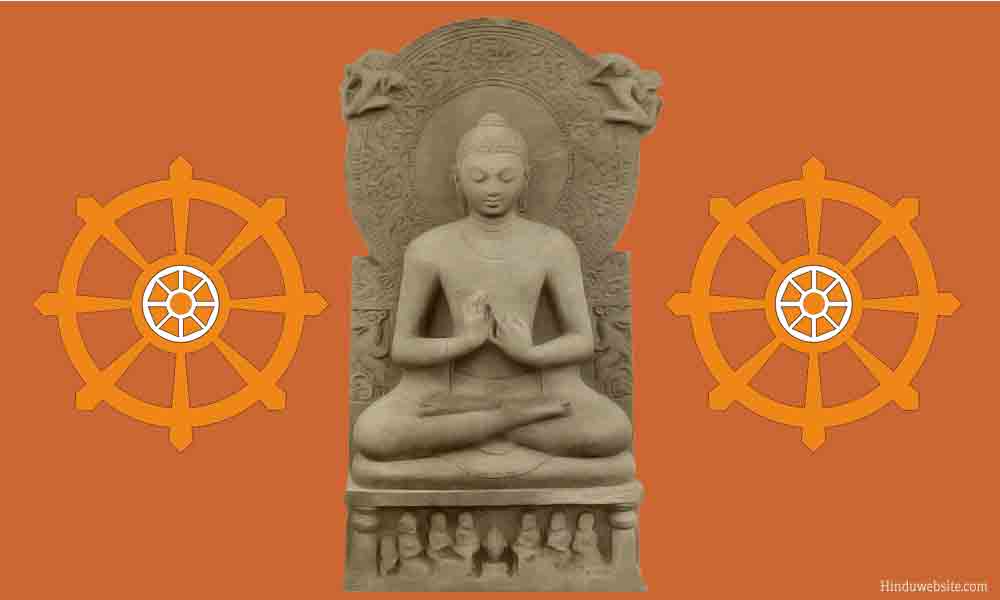
Summary: The Avijja Sutta is one of the Buddha's discourses directly addressing the nature of ignorance and the means to overcome it. In this teaching, the Buddha explains how ignorance can be rooted out through the practice of the Eightfold Path, giving rise to clear knowing, wisdom, and ultimate liberation from the cycle of rebirth.
Then a certain monk went to the Blessed One and, on arrival, having bowed down to him, sat to one side. As he was sitting there, he said to the Blessed One:
"Lord, is there any one thing with whose abandoning in a monk ignorance is abandoned and clear knowing arises?"
"Yes monk, there is one thing with whose abandoning in a monk ignorance is abandoned and clear knowing arises."
"What is that one thing?"
"Ignorance, monk, is the one thing with whose abandoning in a monk ignorance is abandoned and clear knowing arises." 1
"But how does a monk know, how does a monk see, so that ignorance is abandoned and clear knowing arises?"
"There is the case, monk, where a monk has heard, 'All things are unworthy of attachment.' Having heard that all things are unworthy of attachment, he directly knows every thing. Directly knowing every thing, he comprehends every thing. Comprehending every thing, he sees all themes2 as something separate. 3
"He sees the eye as something separate. He sees forms as something separate. He sees eye-consciousness as something separate. He sees eye-contact as something separate. And whatever arises in dependence on eye-contact — experienced either as pleasure, as pain, or as neither-pleasure-nor-pain — that too he sees as something separate.
"He sees the ear as something separate...
"He sees the nose as something separate...
"He sees the tongue as something separate...
"He sees the body as something separate...
"He sees the intellect as something separate. He sees ideas as something separate. He sees intellect-consciousness as something separate. He sees intellect-contact as something separate. And whatever arises in dependence on intellect-contact — experienced either as pleasure, as pain, or as neither-pleasure-nor-pain — that too he sees as something separate.
"This is how a monk knows, this is how a monk sees, so that ignorance is abandoned and clear knowing arises."
Notes
1. In other words, ignorance is so fundamental that it has to be attacked directly.
3. Aññato: literally, "as other." The Commentary explains this as "in another way" or "differently" from the way ordinary beings view things, but that does not fit with the syntax of the Pali, nor does it really answer the monk's question.
Source: Translated from the Pali by Thanissaro Bhikkhu. Copyright © 2003 Thanissaro Bhikkhu. For free distribution. This work may be republished, reformatted, reprinted, and redistributed in any medium. It is the author's wish, however, that any such republication and redistribution be made available to the public on a free and unrestricted basis and that translations and other derivative works be clearly marked as such.