
List of 108 Upanishads According To The Muktikopanishad
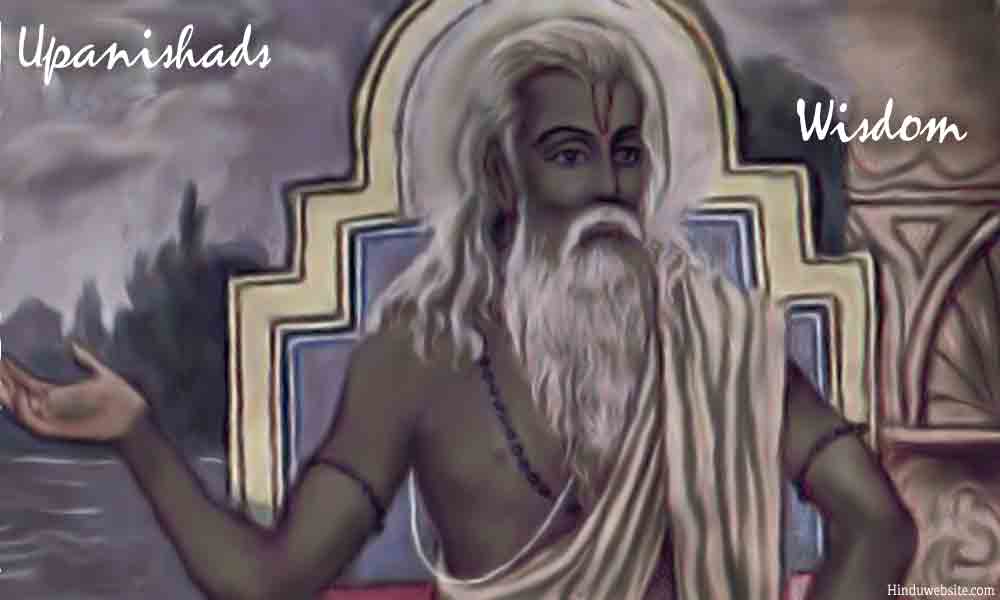
The exact number of the Upanishads is not clearly known. Scholars differ on the total number of Upanishads as well as on what constitutes an Upanishad. Some of the Upanishads are very ancient, but some are of recent origin.
The original Upanishads are the end portions of the four Vedas, and there by came to be identified with "Vedanta", which literally means the end of the Vedas. They dealt with the philosophical aspects of the Vedas and were taught in ancient India to highly qualified and selected individuals.
The Upanishadic texts are part of the Shruti literature and are considered to be divine in origin. They are associated with the names of several ancient seers. Some of these lived at least twenty generations before Lord Krishna and the the probable date of the Mahabharata war. Prominent among these sages were Yagnavalkya, Uddalaka Aruni, Shandilya, Aitareya, Pipplapada and Sanatkumara.
Today there are estimated to be about 350 Upanishads, some well known and some least known. The Bhagavad-Gita of Lord Krishna is also considered to be an Upanishad because it contains the essence of many of the Upanishads.
We have listed below 108 Upanishads as per the list contained in the Muktikopanishad. We have arranged them in four categories according to the particular Veda to which each of them belong. The very important among these have been shown in bold letters. Those Upanishads for which we have English Translations are shown prominently.
Rigveda(10)
| Aitareya | Atmabodha | Kaushitaki | Mudgala | Nirvana | Nadabindu | Akshamaya | Tripura | Bahvruka | Saubhagyalakshmi |
SamaVeda: (16)
| Kena | Chandogya | Mahat | Maitrayani | Vajrasuci | Savitri | Aruneya | Kundika | Maitreyi | Samnyasa | Jabaladarsana | Yogachudamani | Avyakta | Vasudeva | Jabali | Rudrakshajabala |
Yajurveda:(50)
| Katha | Taittiriya | Isavasya | Brihadaranyaka | Akshi | Ekakshara | Garbha | Prnagnihotra | Svetasvatara | Sariraka | Sukarahasya | Skanda | Sarvasara | Adhyatma | Niralamba | Paingala | Mantrika | Muktika | Subala | Avadhuta | Katharudra | Brahma | Jabala | Turiyatita | Paramahamsa | Bhikshuka | Yajnavalkya | Satyayani | Amrtanada | Amrtabindu | Kshurika | Tejobindu | Dhyanabindu | Brahmavidya | YogakundalinI | Yogatattva | Yogasikha | Varaha | Advayataraka | Trisikhibrahmana | mandalabrahmana | Hamsa | Kalisantaraaa | Narayana | Tarasara | Kalagnirudra | Dakshinamurti | Pancabrahma | Rudrahrdaya | SarasvatIrahasya |
Atharvaveda (32)
| Prasna | Mandukya | Mundaka | Atma | Surya | Narada-Parivrajakas | Parabrahma | Paramahamsa-Parivrajakas | Pasupatha-Brahma | Mahavakya | Sandilya | Krishna | Garuda | Gopalatapani | Tripadavibhuti-mahnarayana | Dattatreya | Kaivalya | NrsimhatapanI | Ramatapani | Ramarahasya | HayagrIva | Atharvasikha | Atharvasira | Ganapati | Brhajjabala | Bhasmajabala | Sarabha | Annapurna | TripuratapanI | Devi | Bhavana | Sita |
Suggestions for Further Reading
- Introduction to the Upanishads of Hinduism
- A Brief Introduction to the Upanishads
- The Concept of Atman or Eternal Soul in Hinduism
- 22 Minor Upanishads
- Brahman, The Highest God Of Hinduism
- The Concept of Kalachakra in Hinduism
- The Wisdom of the Upanishads, Main Page
- Mantras in Hinduism
- Selected Upanishads, 14 Major Upanishads (Pay)
- Ritual and Spiritual Aspects of the Vedic Tradition
- Developments in the Early Vedic Tradition
- Sex and Spirituality In the Upanishads
- The Wisdom of the Isa Upanishad
- Swami Paramananda On the Upanishads
- The Brihadaranyaka Upanishad - Translation by Jayaram V
- Essays on The Upanishads
- A Story From the Upanishads About Self
- The State of Brahman And Self-realization
- Transcending All Barriers of Individuality
- Four Types of Intelligence
- Essays On Dharma
- Esoteric Mystic Hinduism
- Introduction to Hinduism
- Hindu Way of Life
- Essays On Karma
- Hindu Rites and Rituals
- The Origin of The Sanskrit Language
- Symbolism in Hinduism
- Essays on The Upanishads
- Concepts of Hinduism
- Essays on Atman
- Hindu Festivals
- Spiritual Practice
- Right Living
- Yoga of Sorrow
- Happiness
- Mental Health
- Concepts of Buddhism
- General Essays